
Bengaluru’s Morning Walk Circuits
Bengaluru’s mornings belong to walkers. Before traffic thickens and the city turns inward, thousands of people step out for a quiet, repetitive ritual — walking the same routes, at the same hour, often with the same familiar faces.
Morning walks in Bengaluru are rarely about fitness alone. They are about routine, recognition, and a brief sense of control before the day begins. Over time, certain routes have emerged as informal circuits — not marked or advertised, but collectively agreed upon through use.
This guide looks at Bengaluru’s morning walk circuits not as recreational spots, but as lived spaces. These are routes shaped by habit rather than design, where rules are unspoken, conversations are minimal, and repetition itself is the point.
This is not a list to complete. These are circuits people return to every day.
1. Sankey Tank Loop, Malleshwaram
North Bengaluru
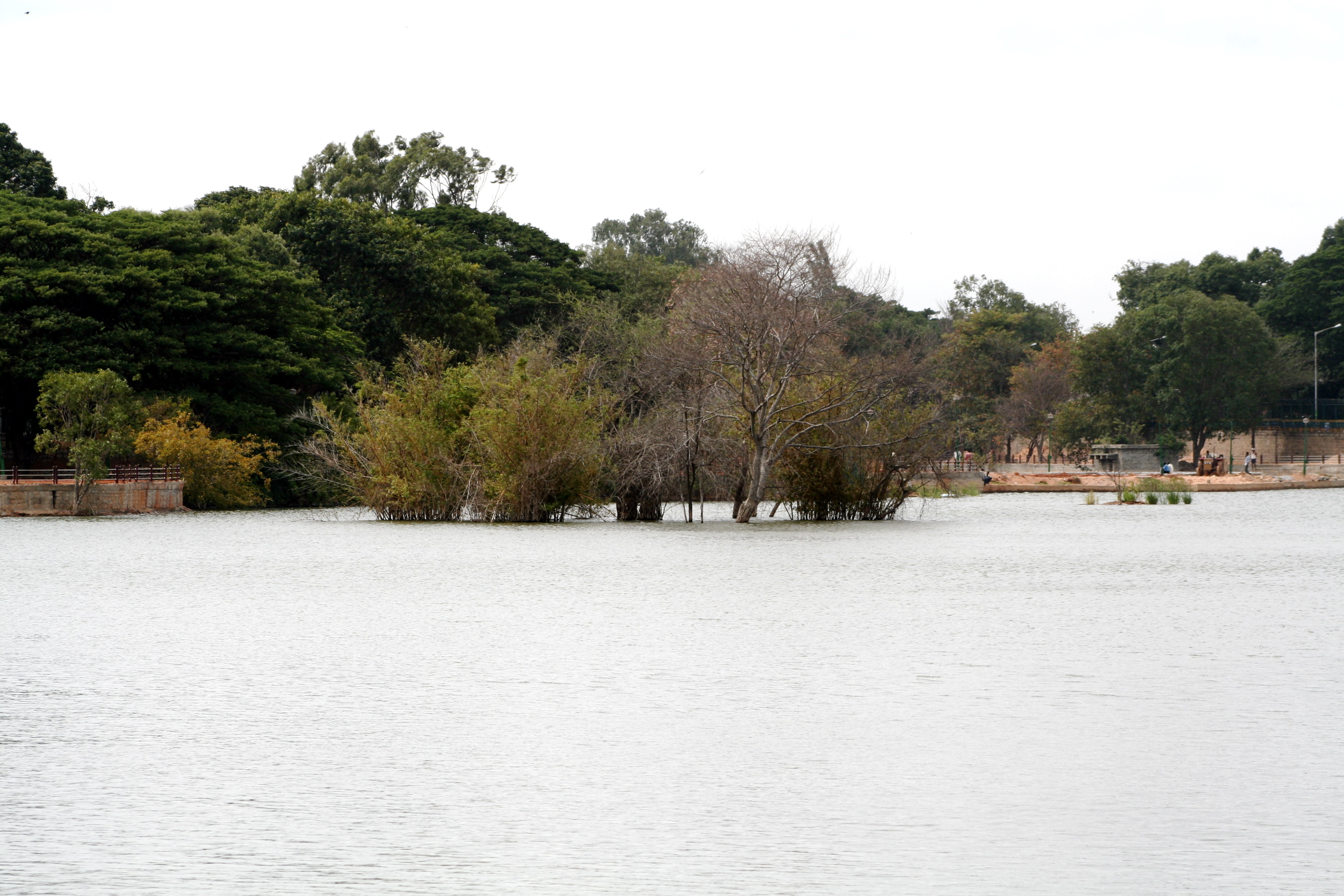
Sankey Tank — Source: Wikipedia
Sankey Tank is one of Bengaluru’s most established morning walk circuits, and it operates with an almost ritualistic regularity. The loop around the lake fills up early, with walkers settling into a steady pace long before sunrise.
There is an unspoken order here. Faster walkers gravitate to the outer edge, slower walkers to the inside. Conversations are brief and subdued. Most people walk alone, even when they arrive with others.
The presence of water, trees, and open sky creates a sense of separation from the surrounding city, making the circuit feel contained and complete.
Why people return
Predictability, discipline, and a clear walking rhythm.
Best time
5:45 AM to 7:00 AM
2. Lalbagh Outer Ring Paths
South Bengaluru
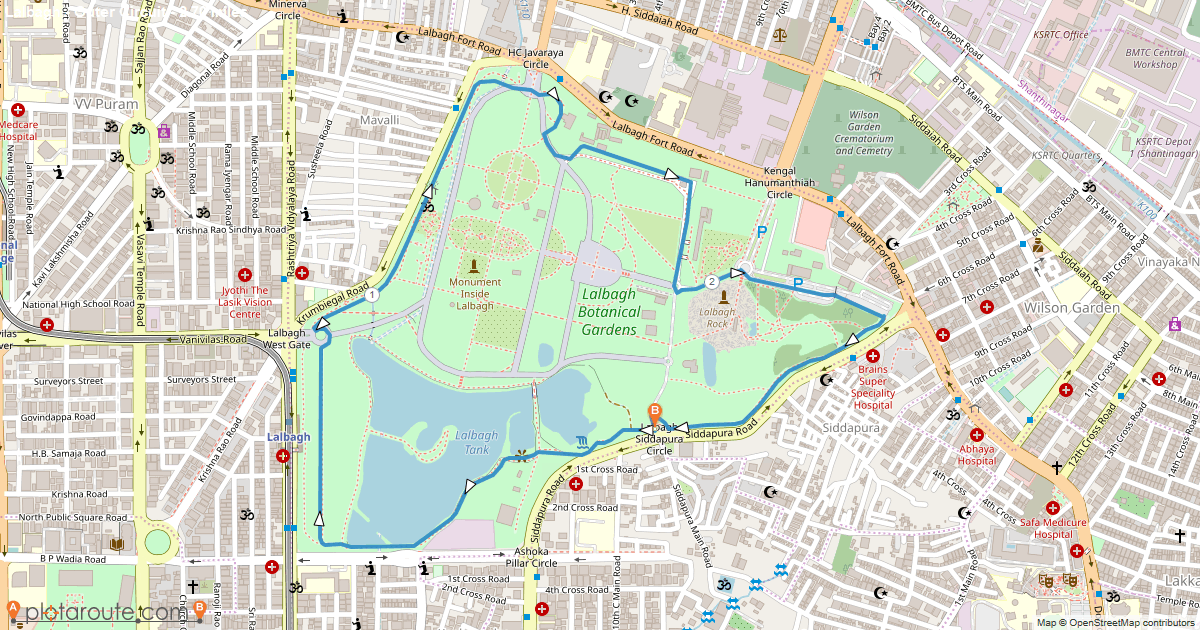
Lalbagh Botanical Garden (outer walking circuit) — Source: Plotaroute
Unlike the inner garden paths, Lalbagh’s outer walking routes are about movement rather than leisure. These paths attract a serious crowd — long-distance walkers, joggers, and people who treat the walk as a daily obligation rather than a recreational outing.
The route allows for long, uninterrupted stretches, making it ideal for people who prefer walking without frequent stops. Regulars recognise one another without interaction, forming a quiet community bound by timing.
This is a circuit built on endurance rather than scenery.
Why people return
Space, continuity, and the ability to walk long distances without interruption.
Best time
5:30 AM to 6:45 AM
3. Basavanagudi Temple Streets
South Bengaluru
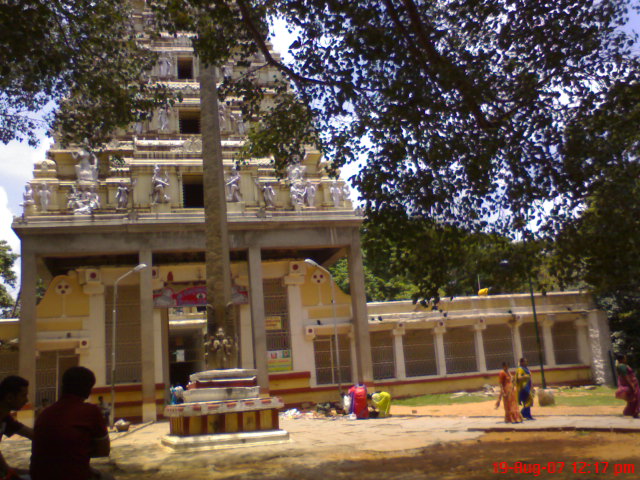
Dodda Basavana Gudi, Basavanagudi — Source: Wikipedia
The streets around Dodda Basavana Gudi and nearby temples form one of the city’s most organic morning walk circuits. There are no defined paths — the circuit is shaped by habit, not planning.
Walkers move through temple streets, residential lanes, and small junctions, often stopping briefly for prayer before continuing. Many loosely extend this walk toward Krishna Rao Park before looping back into the surrounding streets, though the core experience remains rooted in the neighbourhood itself.
The pace is slower, the atmosphere calmer, and the sense of familiarity strong.
Why people return
Integration of routine, faith, and neighbourhood familiarity.
Best time
6:00 AM to 7:30 AM
4. Cubbon Park Inner Loops
Central Bengaluru
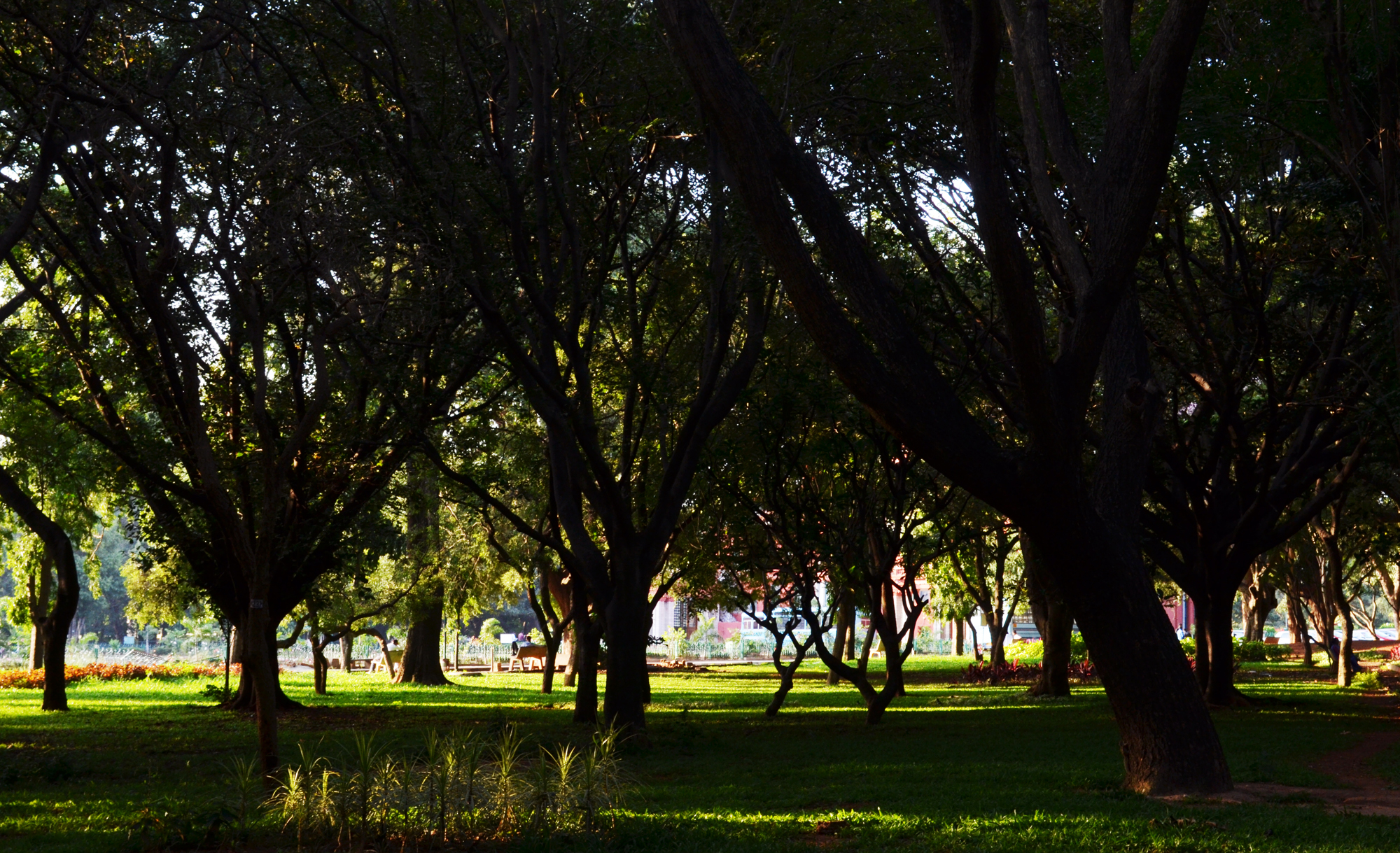
Cubbon Park — Source: Karnataka Tourism
Cubbon Park’s inner loops are among the most diverse morning walk spaces in the city. Office-goers, retirees, dog walkers, yoga practitioners, and casual strollers share the same paths.
Unlike more disciplined circuits, Cubbon Park allows for flexibility. Some people walk briskly, others wander. Conversations are more common, and pauses are frequent.
The space functions less as a strict circuit and more as a shared morning commons.
Why people return
Openness, greenery, and social ease.
Best time
6:00 AM to 8:00 AM
5. Jayanagar Inner Blocks
South Bengaluru
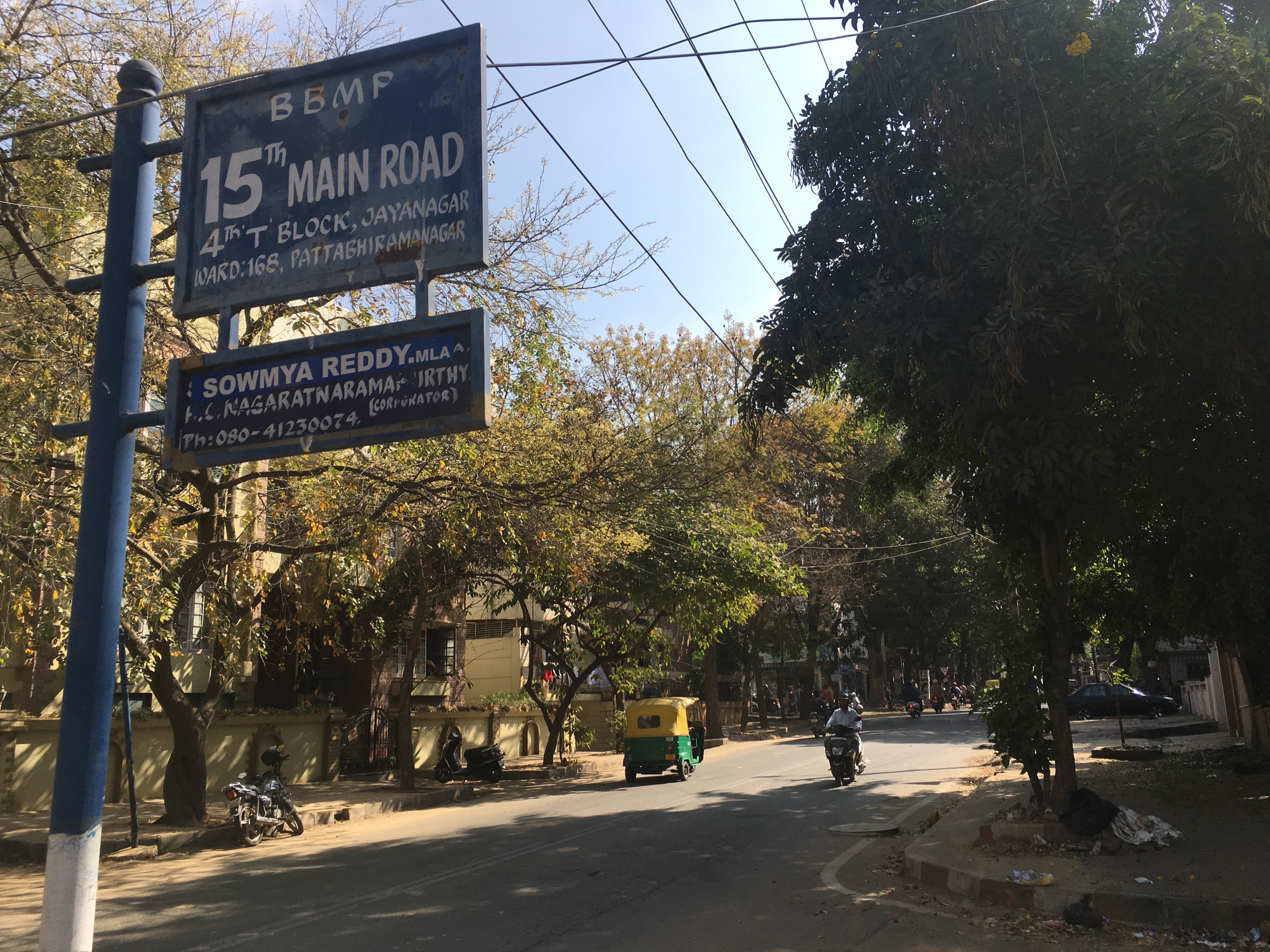
Jayanagar, Bengaluru — Source: Wikipedia
The inner residential blocks of Jayanagar — including and extending beyond 4th Block — offer a quieter, more domestic walking experience. Broad roads, tree-lined streets, and familiar landmarks shape a loop that many residents follow instinctively.
Walkers here tend to be long-term residents. The routes feel owned rather than visited. Greetings are subtle, often limited to nods or brief exchanges.
This is a circuit built on neighbourhood continuity rather than destination.
Why people return
Familiarity, safety, and a sense of belonging.
Best time
6:15 AM to 7:30 AM
6. Malleshwaram Cross-Street Walks
North Bengaluru
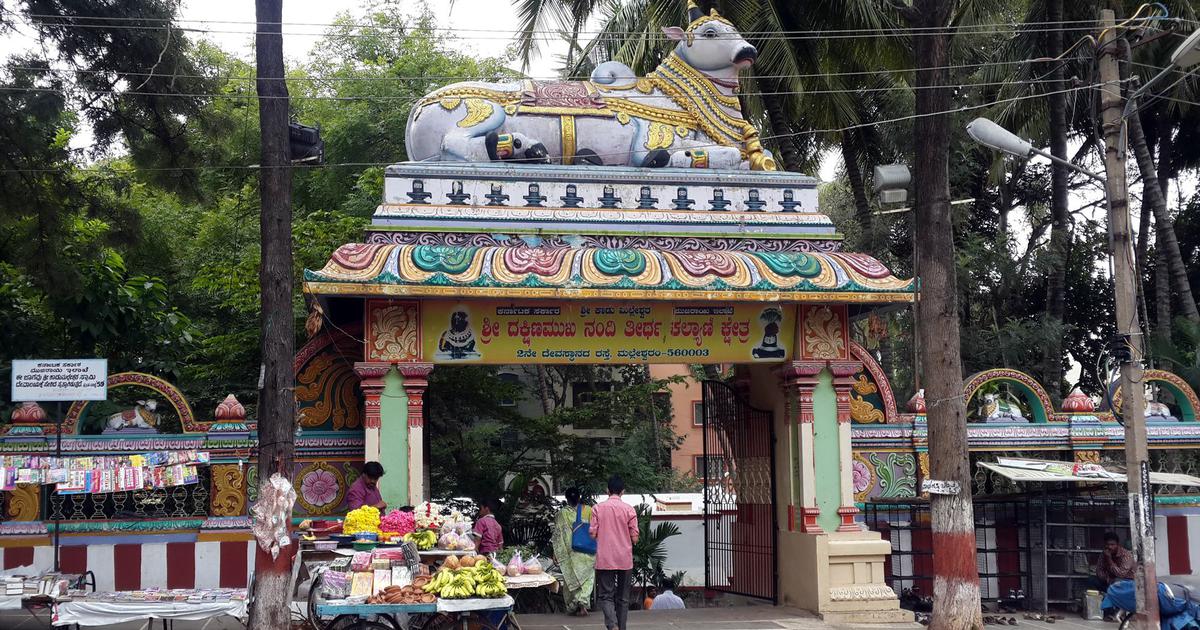
Malleshwaram, Bengaluru — Source: Wikipedia
Malleshwaram’s grid of cross streets creates natural walking routes without formal paths. Walkers often follow the same sequence of roads daily, adjusting slightly depending on traffic, light, or mood.
The experience is introspective. Houses, trees, and small shops form a consistent visual rhythm. Over time, walkers become attuned to subtle changes — a closed gate, a new plant, a familiar light turning on.
This circuit rewards attention.
Why people return
Quiet streets and a sense of slow observation.
Best time
6:00 AM to 7:15 AM
7. Ulsoor Lake Perimeter
East / Central Bengaluru
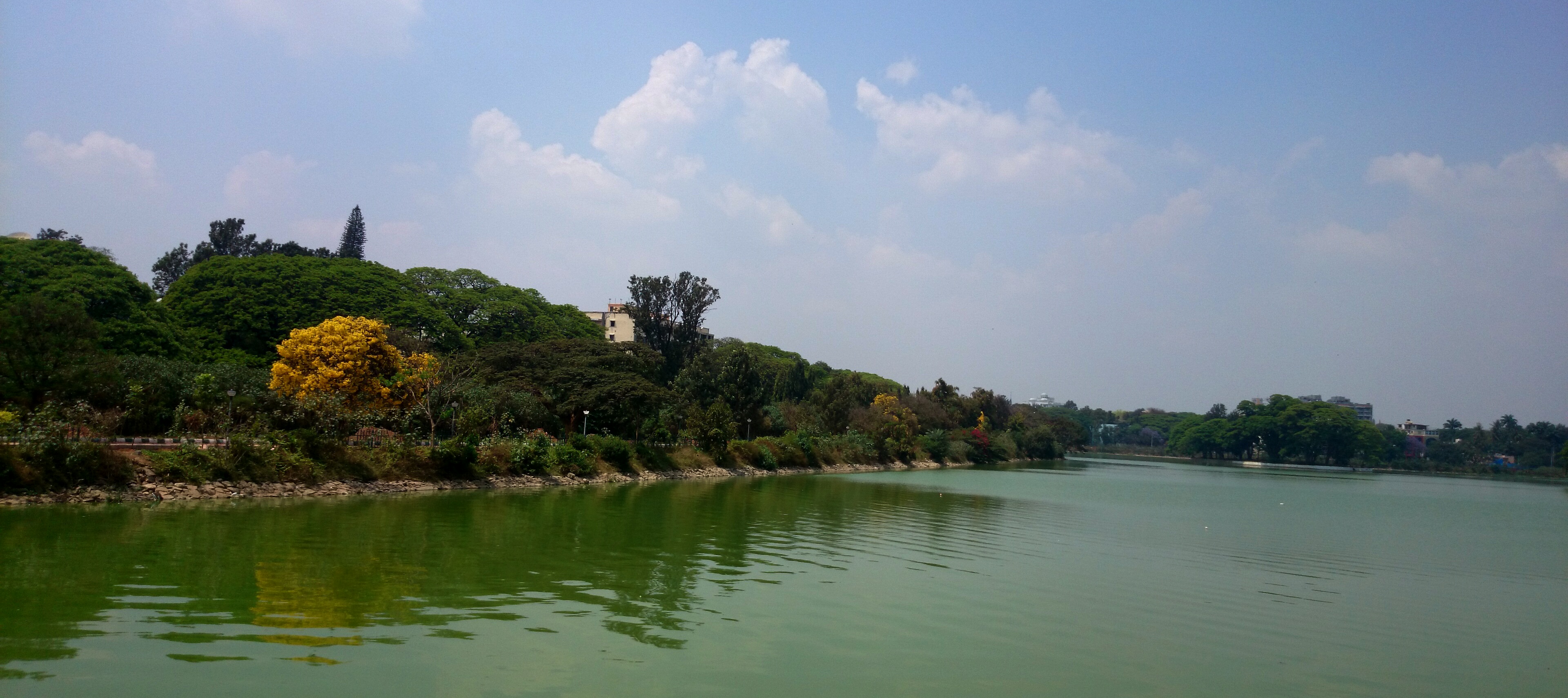
Ulsoor Lake (Halasuru Lake) — Source: Wikipedia
Ulsoor Lake’s perimeter path offers a balance between urban density and natural openness. Walkers here often combine brisk walking with moments of pause, especially near the water.
The circuit attracts a mixed crowd — locals, office workers, and older residents — creating a steady but varied flow. The lake anchors the walk, giving it direction and containment.
Why people return
Water presence and a clearly defined loop.
Best time
5:45 AM to 7:00 AM
Conclusion
Bengaluru’s morning walk circuits endure because they are simple, repeatable, and shared. They do not demand discovery or novelty. Instead, they offer rhythm — a reliable beginning to the day.
These routes matter not because they are scenic or famous, but because they support routine. Over time, they become part of how people organise their mornings, their health, and their sense of place in the city.
In a city that changes quickly, these walks remain steady — one loop at a time.