
Where Bengaluru Still Reads
Libraries People Actually Use
Bengaluru is often described through offices, cafés, and traffic-filled roads, but there is another, quieter rhythm that runs alongside the city’s faster narratives. It exists in reading rooms, newspaper halls, children’s libraries, and circulating collections — spaces where people sit for hours, return week after week, and build routines that have little to do with trends or novelty.
This guide focuses on libraries that are actively used. These are not architectural landmarks visited once out of curiosity, nor cultural symbols preserved for nostalgia. They are functional, lived spaces — shaped by exam schedules, morning newspaper habits, school holidays, and long-term memberships.
Across these libraries, you will find students preparing for competitive exams, retirees reading the day’s papers cover to cover, parents introducing children to books outside school syllabi, and working professionals borrowing novels for slow, private reading.
What unites the places in this guide is not scale, funding, or prestige, but continuity of use. They open predictably, attract consistent footfall, and integrate quietly into the neighbourhoods around them.
This is not a list of the most beautiful libraries in Bengaluru.
It is a guide to the ones people actually depend on.
1. State Central Library, Cubbon Park
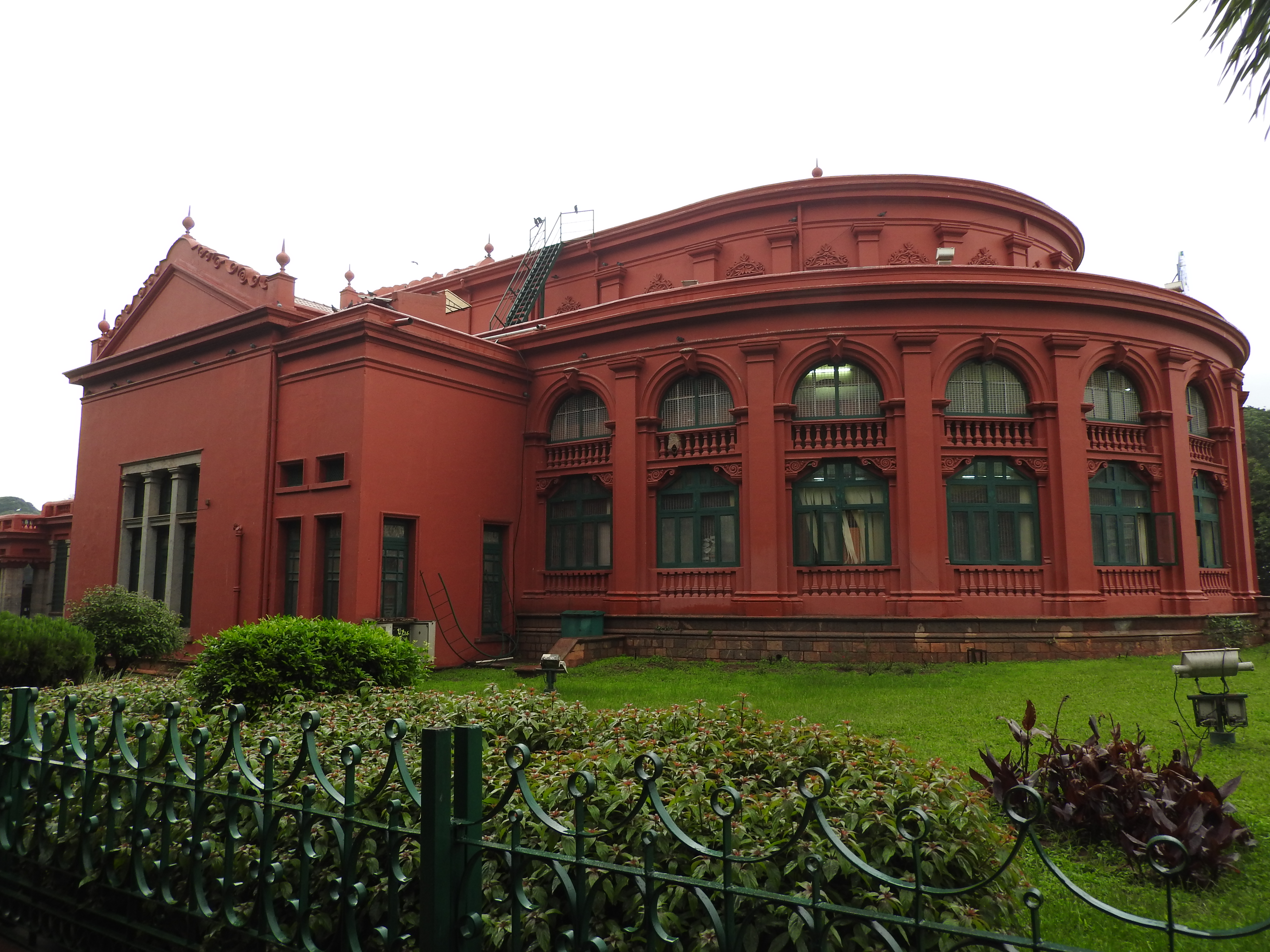
State Central Library, Cubbon Park — Photo source: Wikimedia Commons

Why people go
Bengaluru’s most recognisable public library, the State Central Library houses over three lakh books and functions as one of the city’s most serious reading and study spaces. From early morning onward, its reading halls fill with students preparing for competitive exams, researchers consulting reference material, and long-time members who treat the library as part of their daily routine.
The Kannada and English collections are extensive, and the newspaper reading hall alone draws a dedicated morning crowd.
Despite its size, the atmosphere is disciplined rather than chaotic. Silence is maintained not through rules, but through shared behaviour. People come here with intent — and that intent shapes the space.
Why people keep coming back
Scale, structure, and an environment built for sustained concentration.
Best for
Serious readers, exam aspirants, researchers, and anyone seeking an uncompromising reading environment.
2. City Central Library, Jayanagar
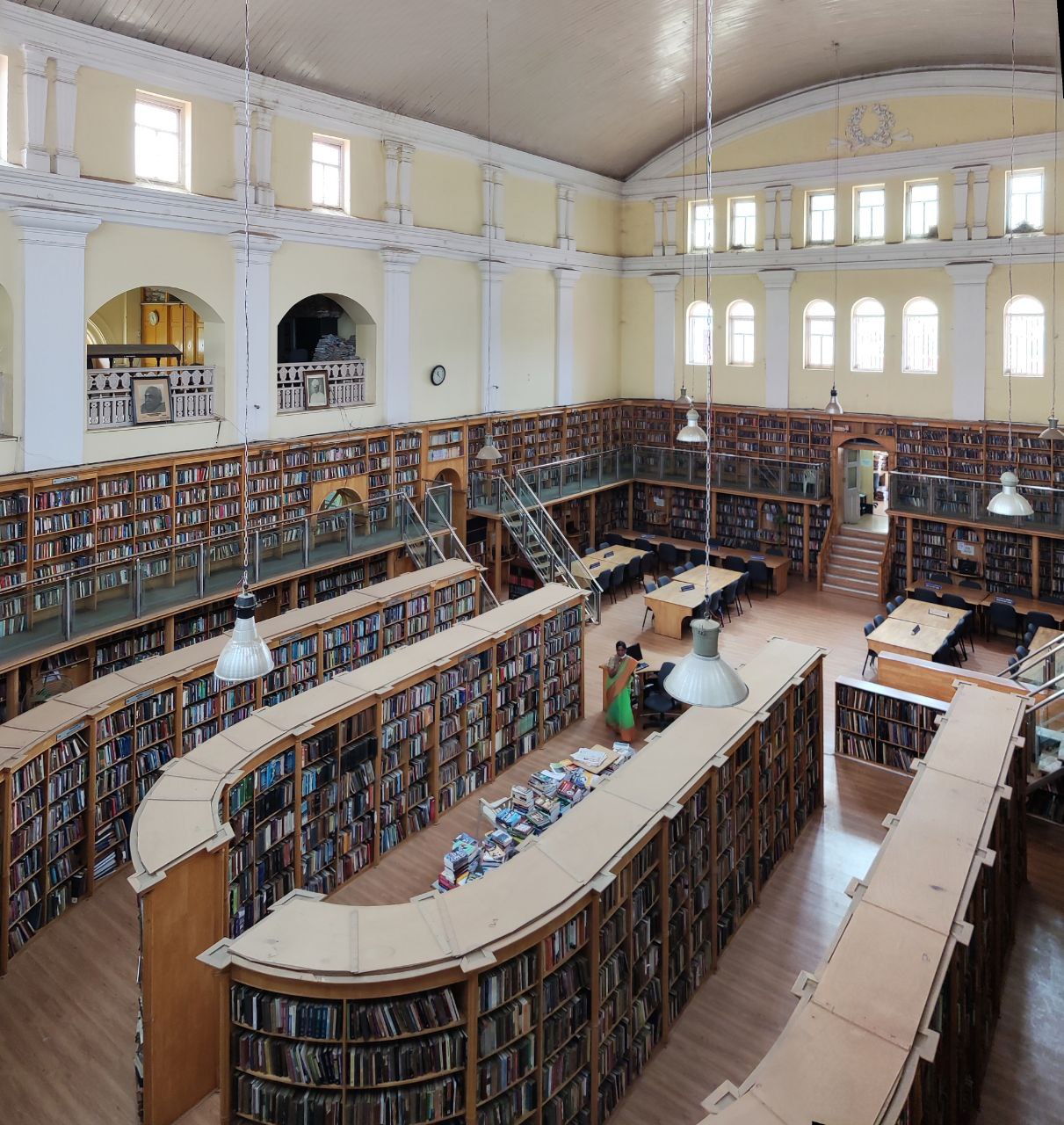
City Central Library, Jayanagar — Photo source: Wikimedia Commons

Why people go
One of South Bengaluru’s busiest public libraries, the City Central Library in Jayanagar is defined by volume — of people, newspapers, and daily use. With long operating hours, it acts as a dependable anchor for students and habitual readers.
UPSC, SSC, and PU aspirants occupy desks throughout the day. Newspapers circulate constantly, passed from reader to reader in a quiet, practiced rhythm.
This is not a space built for stillness or reflection. It is functional, focused, and unapologetically practical.
Why people keep coming back
Predictable hours, accessibility, and a shared culture of preparation.
Best for
Students in South Bengaluru, competitive exam aspirants, and daily newspaper readers.
3. City Central Library, Malleshwaram (North Zone)
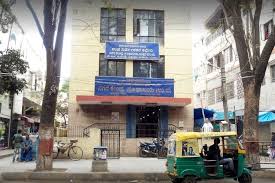
City Central Library, Malleshwaram — Photo source: Justdial
Why people go
The Malleshwaram City Central Library functions less as a city-wide institution and more as a neighbourhood extension. Regulars are recognised, routines are established, and the pace is noticeably slower.
The collection balances Kannada and English books, newspapers, and magazines, supported by a proper membership system that allows borrowing.
This is a place for long, uninterrupted reading sessions rather than quick visits.
Why people keep coming back
Quiet consistency and access to regional literature in a familiar setting.
Best for
Malleshwaram residents, Kannada literature readers, and anyone seeking a calm study or reading space.
4. Indira Priyadarshini State Children’s Library, Cubbon Park
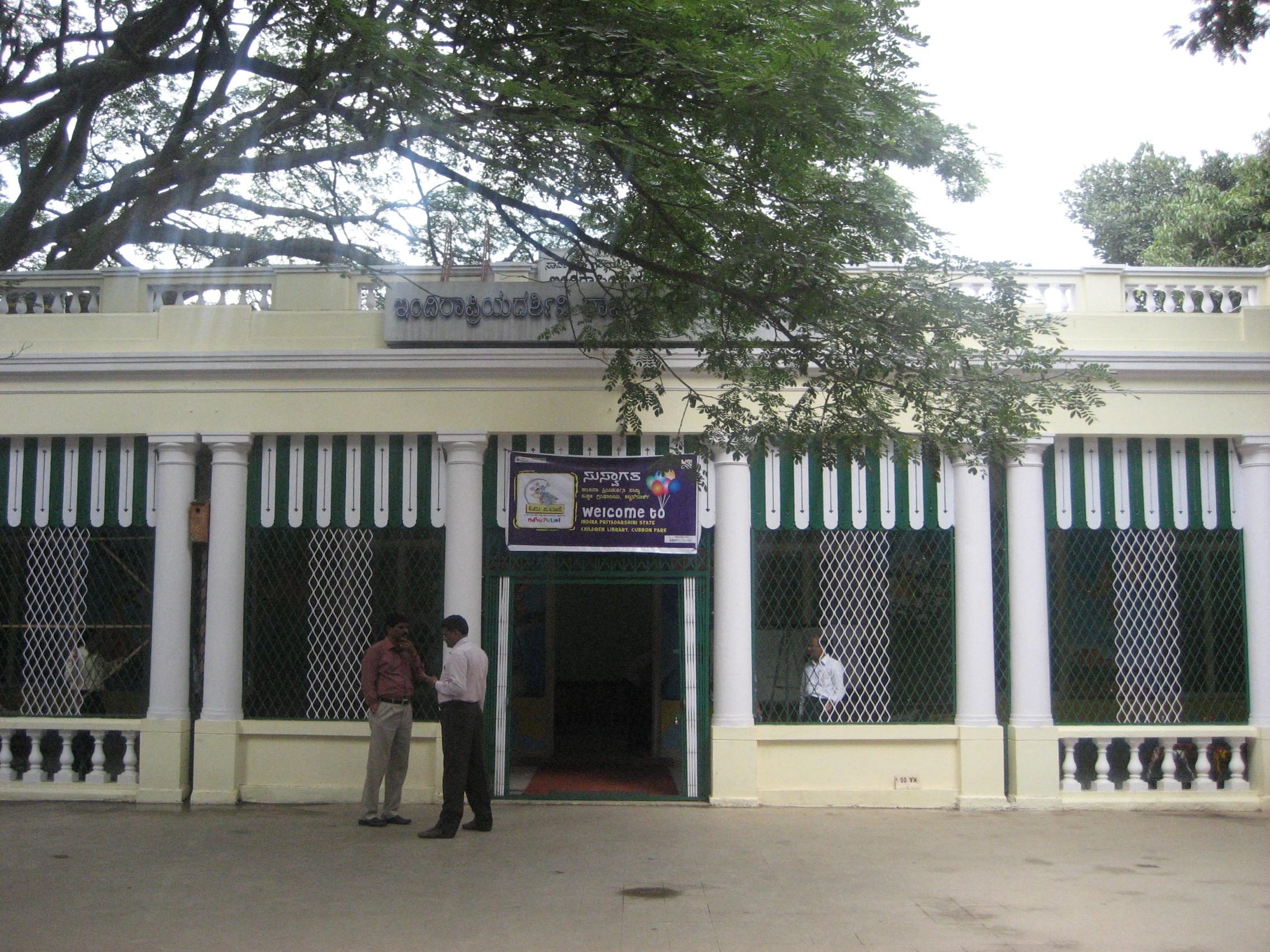
Indira Priyadarshini State Children’s Library — Photo source: Wikimedia Commons

Why people go
Dedicated children’s libraries are rare — and even rarer are those that are actively used. This library stands out because it is woven into the everyday routines of families and schools.
Parents bring children after school, school groups visit regularly, and young readers browse freely without pressure. The atmosphere is lively, but purposeful.
This is where many children encounter books beyond textbooks — through curiosity rather than obligation.
Why people keep coming back
Free access, welcoming spaces, and a focus on reading as discovery.
Best for
Children, parents, school projects, and early readers building independent reading habits.
5. Indian Institute of World Culture Library, Basavanagudi
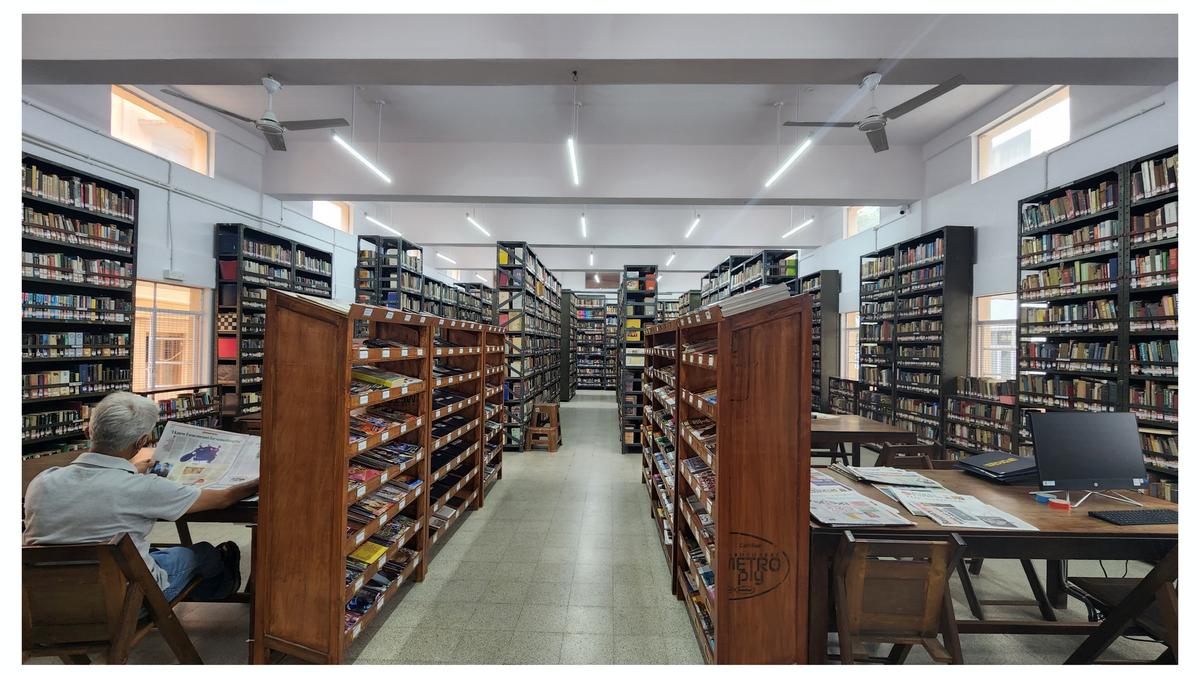
Indian Institute of World Culture Library — Photo source: The Hindu
Why people go
Part library, part cultural institution, the Indian Institute of World Culture has built a loyal membership over decades. Alongside its circulating collection, it hosts lectures, talks, and cultural programmes that draw consistent attendance.
Readers here often move between books and events, forming longer relationships with the space.
Why people keep coming back
A sense of intellectual community alongside access to books.
Best for
Families, literature enthusiasts, and readers interested in cultural engagement beyond reading alone.
6. Just Books (Multiple Locations)
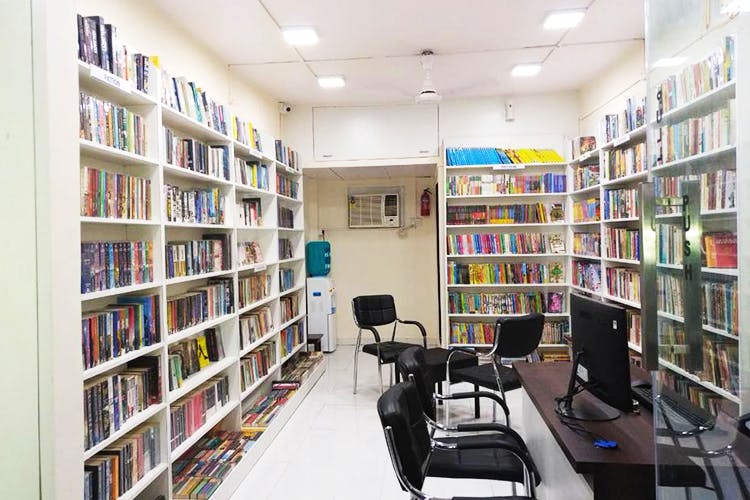
Just Books — Photo source: Justdial
Why people go
Just Books follows a different model. As a membership-based lending network with branches across Bengaluru, it prioritises convenience over prolonged in-library reading.
Members integrate visits into weekly routines — borrowing, returning, and repeating. Collections focus on popular fiction, non-fiction, and children’s books.
Why people keep coming back
Ease of access, predictable collections, and flexible borrowing.
Best for
Working professionals, families, and readers who want consistent access without long library visits.
7. Nool Library, CV Raman Nagar
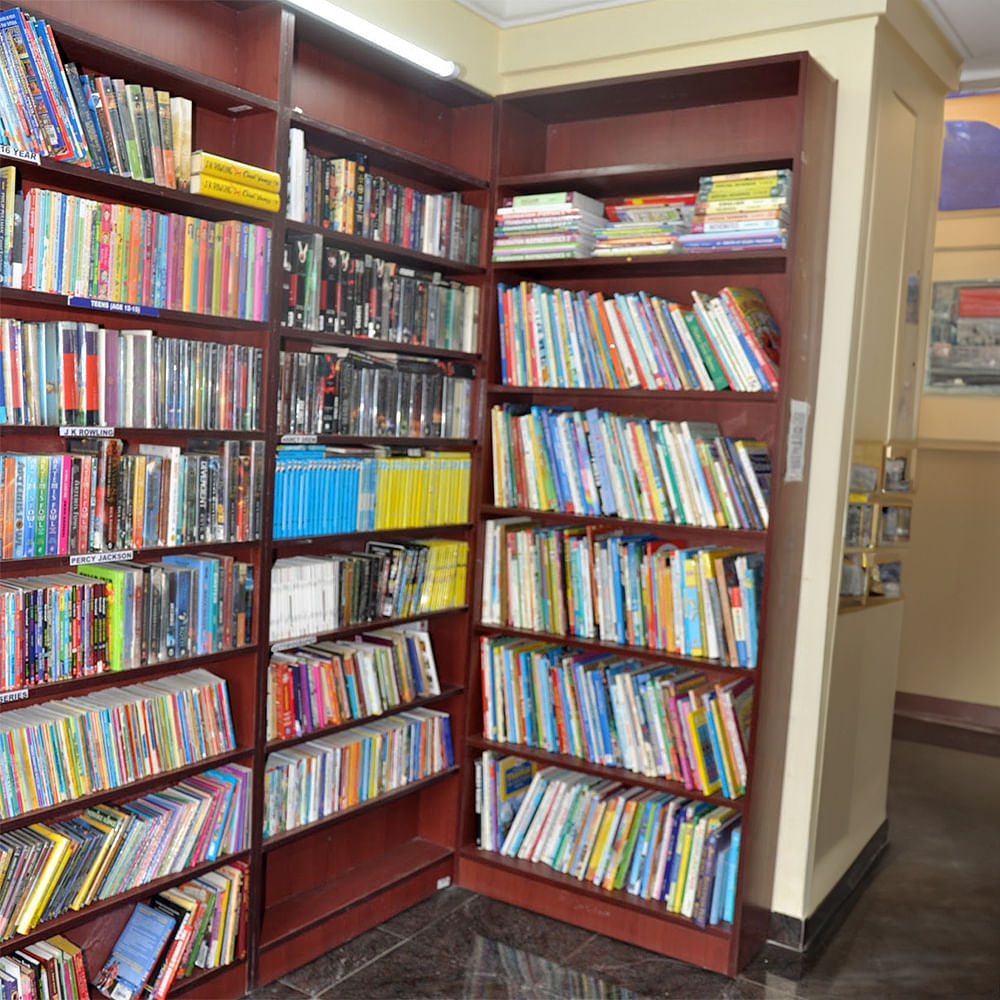
Nool Library — Photo source: Justdial
Why people go
Nool is an independent subscription library that has quietly built a loyal reader base in East Bengaluru. With a curated collection of over 25,000 books, it appeals to readers who value focus and restraint.
The space is intentionally calm — controlled footfall, minimal distraction, and deliberate curation.
Why people keep coming back
A peaceful environment and a clear commitment to reading as a deliberate activity.
Best for
Serious readers and families in CV Raman Nagar, Kasturinagar, and the Tin Factory belt.
Conclusion
These libraries continue to matter because they are used, not preserved. They survive by fulfilling everyday needs — concentration, access, routine, and reliability.
In a city that often prioritises speed and reinvention, these spaces reward repetition and patience. They are not destinations to be completed or ranked, but places to return to.
Over time, they shape habits, structure days, and quietly sustain Bengaluru’s reading culture — one ordinary visit at a time.