
Top 10 Museums in Bengaluru
Introduction
Bengaluru is often described as India’s technology capital, but beneath its reputation for startups and software lies a rich and diverse museum landscape. The city’s museums reflect its layered identity—scientific ambition, artistic experimentation, regional history, and contemporary cultural dialogue. From institutions established during the colonial period to cutting-edge, experience-driven museums of the 21st century, Bengaluru offers spaces that cater to curiosity, learning, and reflection.
This guide brings together ten of the city’s most significant museums, selected not merely for popularity but for their cultural, educational, and historical importance. Together, they represent science and technology, archaeology, regional and modern art, music, medicine, urban history, and contemporary visual culture. Each museum included here offers something distinct, whether it is hands-on engagement, scholarly depth, or an innovative approach to storytelling.
Rather than functioning as a checklist, this list is intended as a cultural map—helping visitors, students, and residents understand how Bengaluru’s museums collectively shape the city’s intellectual and cultural life.
1. Visvesvaraya Industrial & Technological Museum
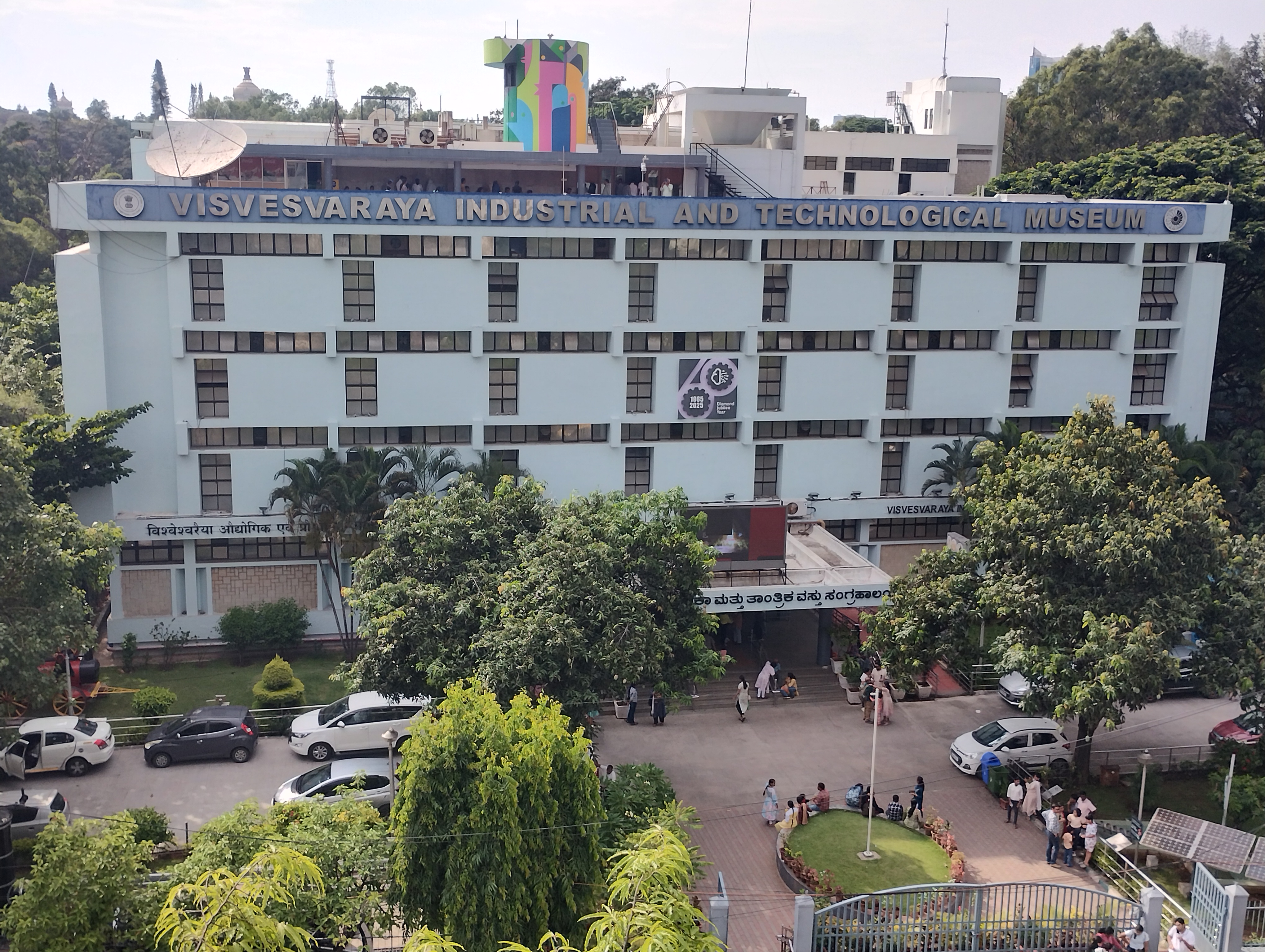
Photo source: Wikimedia Commons
_02.jpg)
The Visvesvaraya Industrial & Technological Museum is Bengaluru’s most recognisable science institution and a cornerstone of public scientific education in India. Designed around hands-on learning, the museum encourages visitors to actively engage with principles of physics, mechanics, space science, electronics, and industrial technology rather than passively observe displays. Interactive models, live demonstrations, and rotating science exhibitions make complex ideas accessible to all age groups.
Its location near Cubbon Park and its long association with school education have made it a formative space for generations of students. While some exhibits retain a retro feel, the museum’s educational clarity and experiential approach remain its strongest assets.
Why it’s in the Top 10: It embodies Bengaluru’s identity as India’s science and technology capital.
Peculiar detail: Few Indian museums allow visitors to physically experiment with scientific laws at this scale.
2. National Gallery of Modern Art (NGMA)
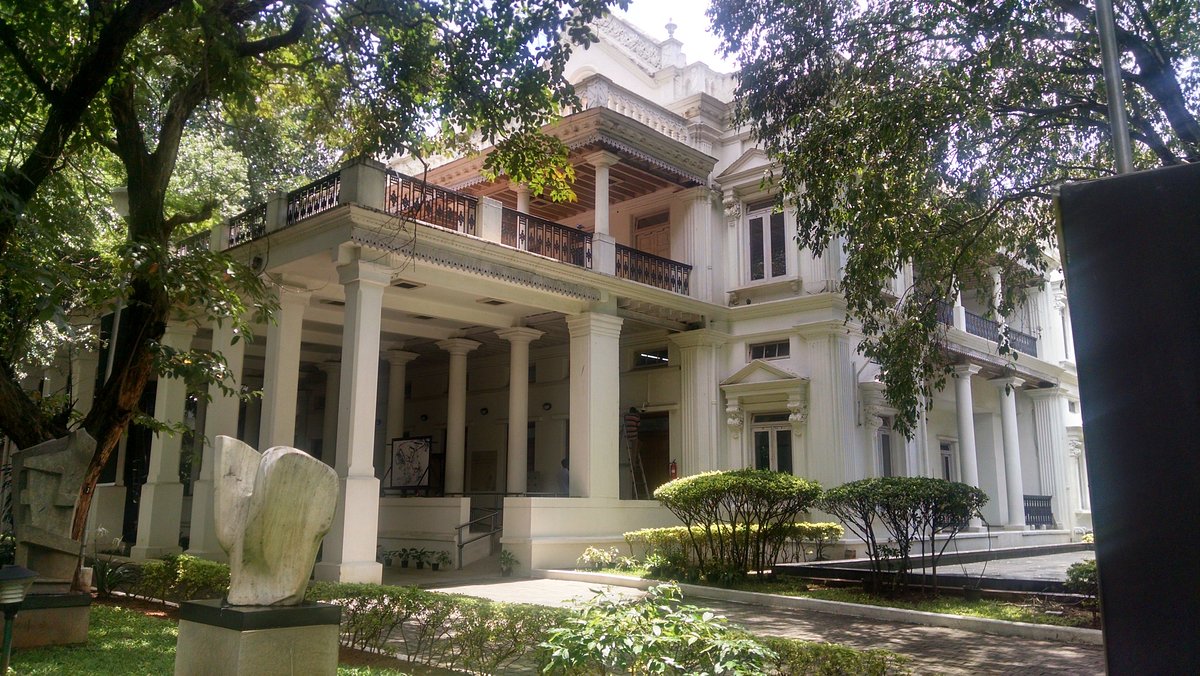
Photo source: Tripadvisor
The National Gallery of Modern Art, Bengaluru, is one of India’s most important institutions for modern and contemporary art. Set inside a restored colonial mansion, the gallery offers a calm, contemplative environment that encourages slow and focused viewing. Its collection traces the evolution of Indian art from the late nineteenth century to the present.
NGMA is known for its rotating exhibitions that explore themes such as modernism, identity, nationalism, and social change. Beyond exhibitions, it functions as a cultural forum through lectures, film screenings, and academic programmes, making it an active intellectual space rather than a static gallery.
Why it’s in the Top 10: It anchors Indian modern art within national and global narratives.
Peculiar detail: A heritage bungalow, sculpture garden, and modern art gallery coexist in one space.
3. Government Museum, Kasturba Road
Photo source: Wikimedia Commons

Founded in 1865, the Government Museum on Kasturba Road is one of India’s oldest museums and Bengaluru’s primary archaeological repository. Its collections include stone sculptures, inscriptions, coins, weapons, and artefacts from South Indian dynasties such as the Hoysalas and the Vijayanagara Empire.
The museum follows a traditional display style, prioritising authenticity and documentation over immersive design. This makes it particularly valuable for historians, archaeology students, and visitors interested in material history rather than spectacle.
Why it’s in the Top 10: It preserves the deepest historical layers of Karnataka’s past.
Peculiar detail: It functions more like an open academic archive than a modern exhibition space.
4. Venkatappa Art Gallery
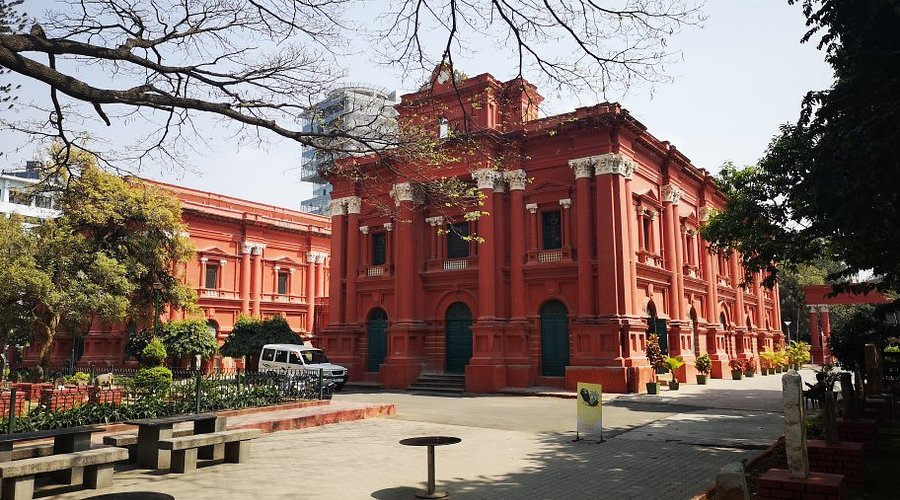
Photo source: Tripadvisor
The Venkatappa Art Gallery is dedicated to showcasing Karnataka’s artistic heritage, particularly the works of K. Venkatappa, one of the state’s most respected artists. His paintings combine mythology, nationalism, and Indian classical aesthetics, reflecting regional responses to colonial modernity.
The gallery also features works by other Karnataka artists, making it an important site for understanding regional art histories. Its intimate scale and quiet atmosphere encourage slow, reflective viewing.
Why it’s in the Top 10: It foregrounds Karnataka’s regional art history within Indian modernism.
Peculiar detail: It is largely centred on the legacy of a single regional artist.
5. HAL Heritage Centre & Aerospace Museum
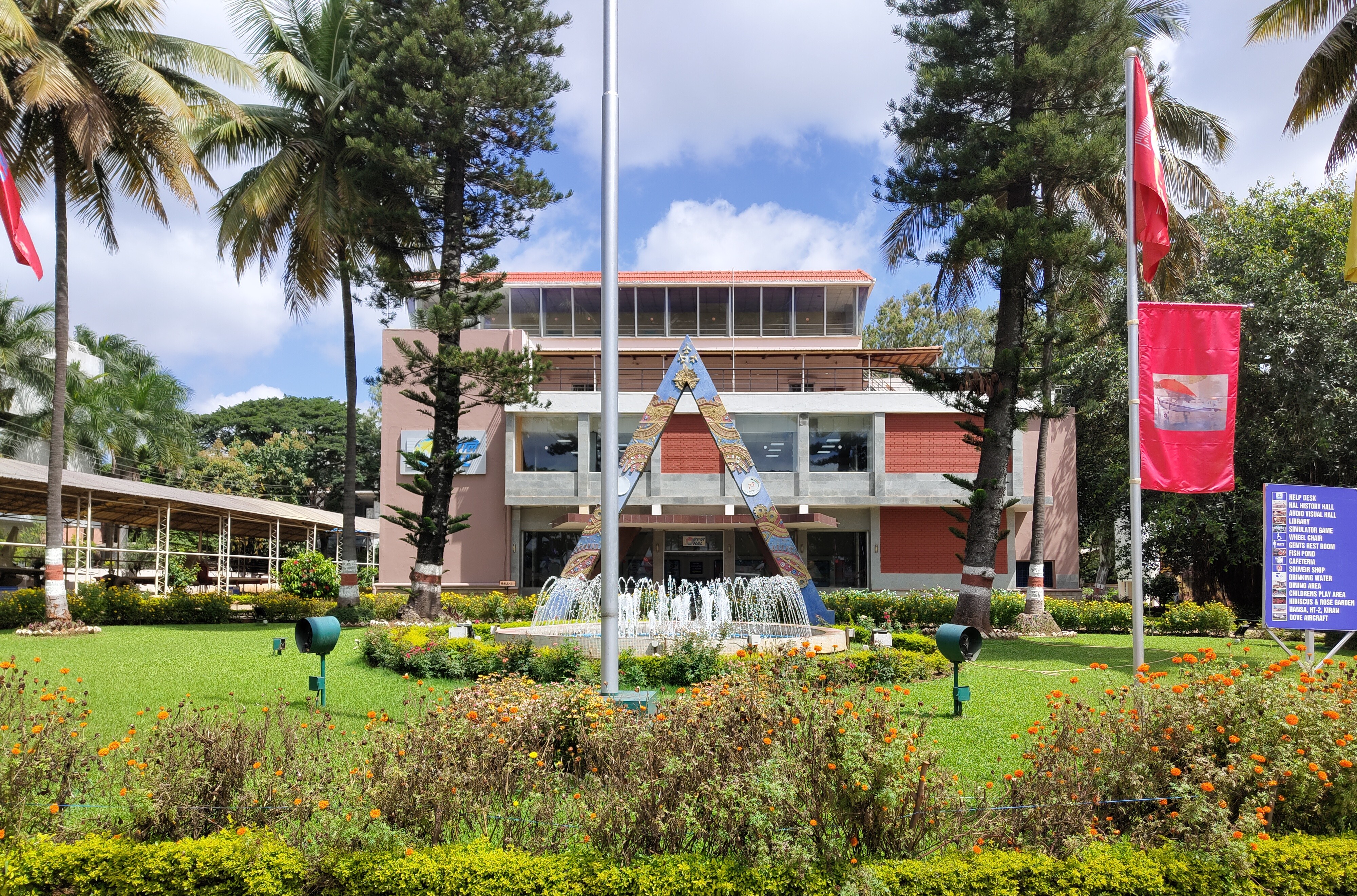
Photo source: Wikimedia Commons

The HAL Heritage Centre & Aerospace Museum is India’s first aerospace museum and reflects Bengaluru’s role as the nation’s aviation and defence hub. Managed by Hindustan Aeronautics Limited, the museum documents India’s aerospace journey through aircraft displays, engines, models, and technical galleries explaining aerodynamics and flight mechanics.
The museum balances industrial history with public education, making complex engineering concepts accessible without oversimplification.
Why it’s in the Top 10: It connects Bengaluru’s industrial identity with national technological ambition.
Peculiar detail: It is run directly by an aerospace manufacturer rather than a cultural body.
6. NIMHANS Brain Museum
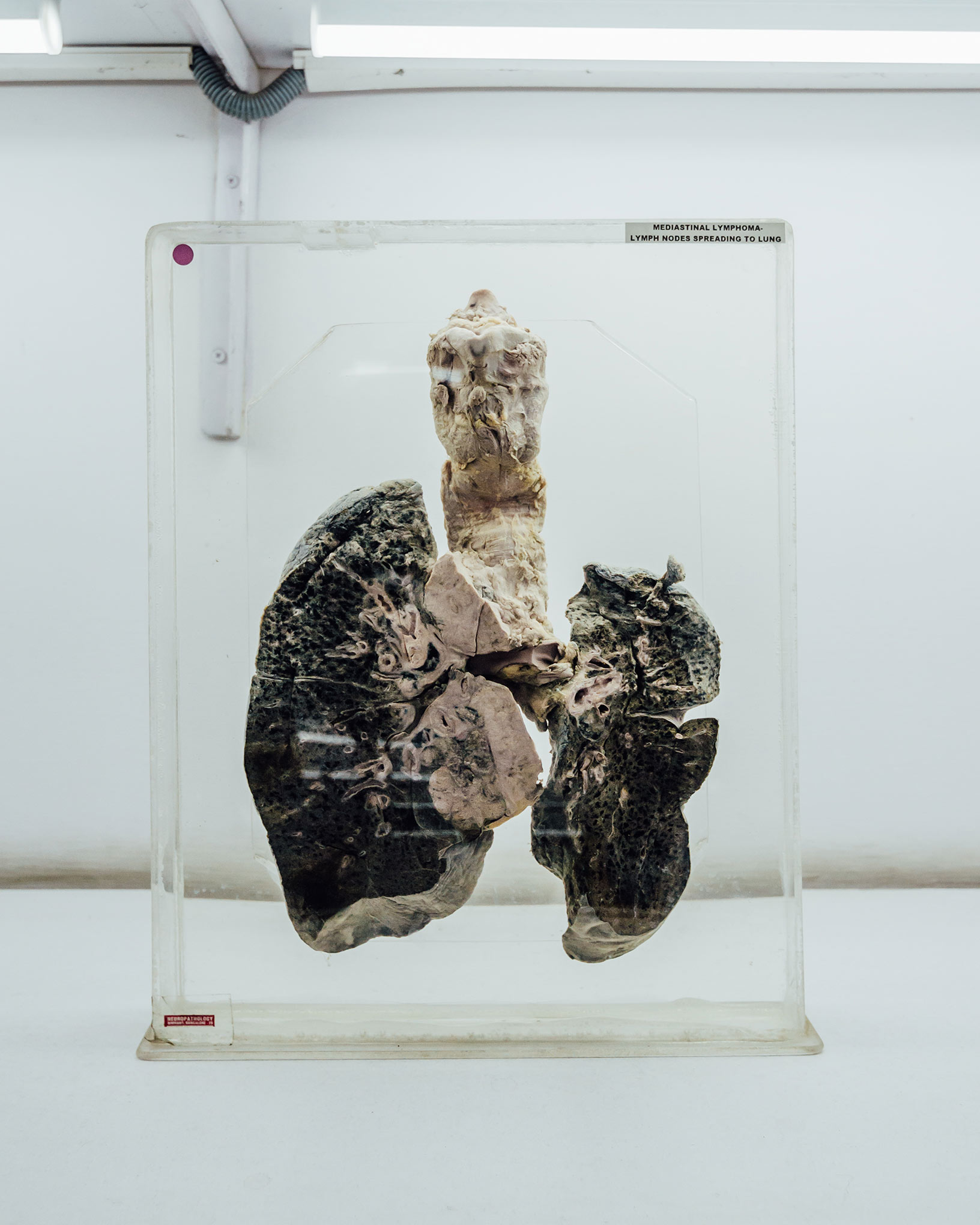
Photo source: Museums of India
The NIMHANS Brain Museum is one of Bengaluru’s most intellectually demanding museum spaces. Located within the National Institute of Mental Health and Neurosciences, it focuses on neuroanatomy, brain function, and neurological disorders using preserved specimens, models, and diagrams.
The presentation is clinical, factual, and deliberately serious, prioritising education over spectacle. It plays an important role in public awareness around mental health and neuroscience.
Why it’s in the Top 10: It offers rare public access to advanced medical knowledge.
Peculiar detail: Real human brain specimens are displayed purely for education.
7. Indian Music Experience Museum
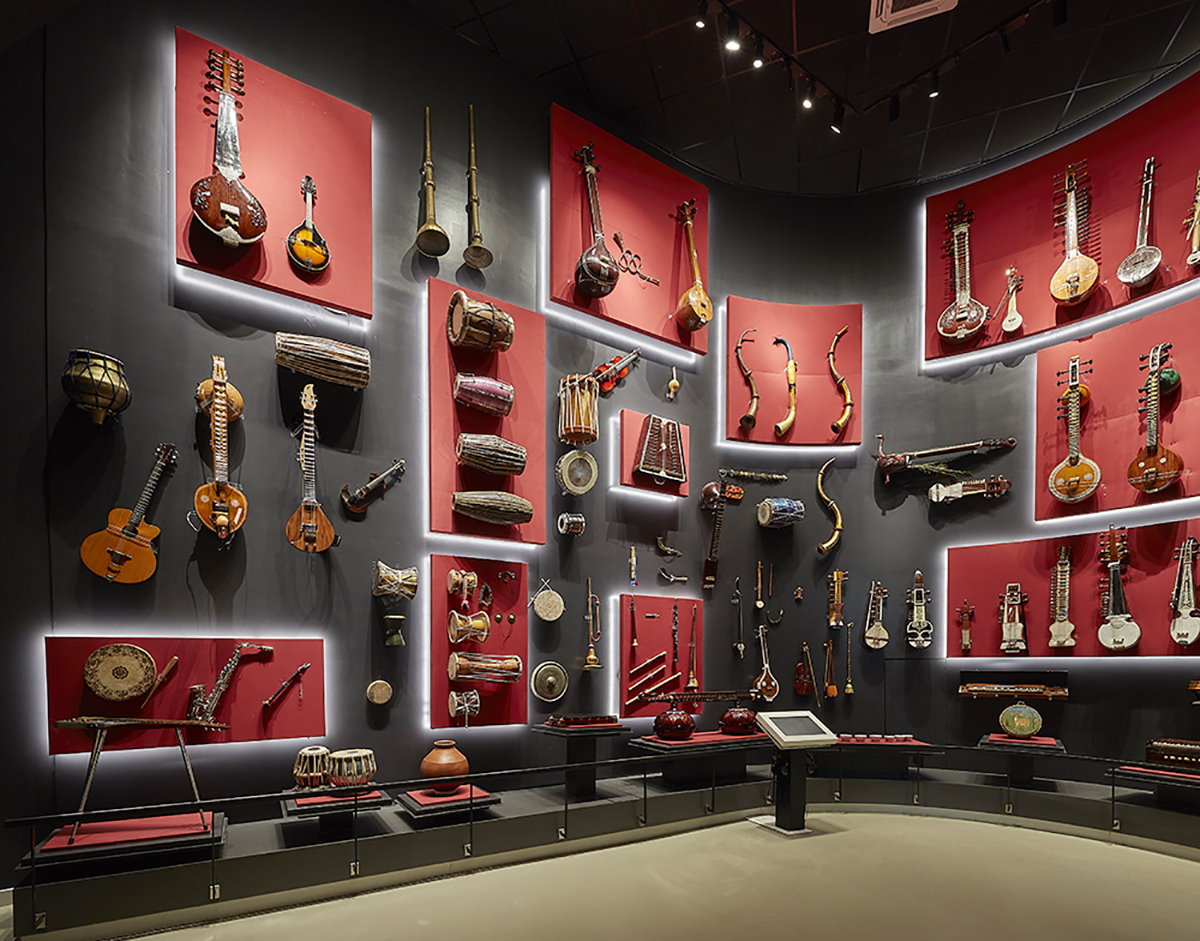
Photo source: Indian Music Experience Museum
The Indian Music Experience Museum (IME) is India’s first interactive museum dedicated entirely to music. Instead of objects or artefacts, the museum uses sound, listening stations, and multimedia installations to explore Indian music traditions across regions and genres.
IME is accessible even to visitors with no musical training and regularly hosts performances, workshops, and talks, functioning as both a museum and cultural hub.
Why it’s in the Top 10: It redefines how intangible cultural heritage can be exhibited.
Peculiar detail: Sound—not objects—is the primary exhibit.
8. Karnataka Chitrakala Parishath
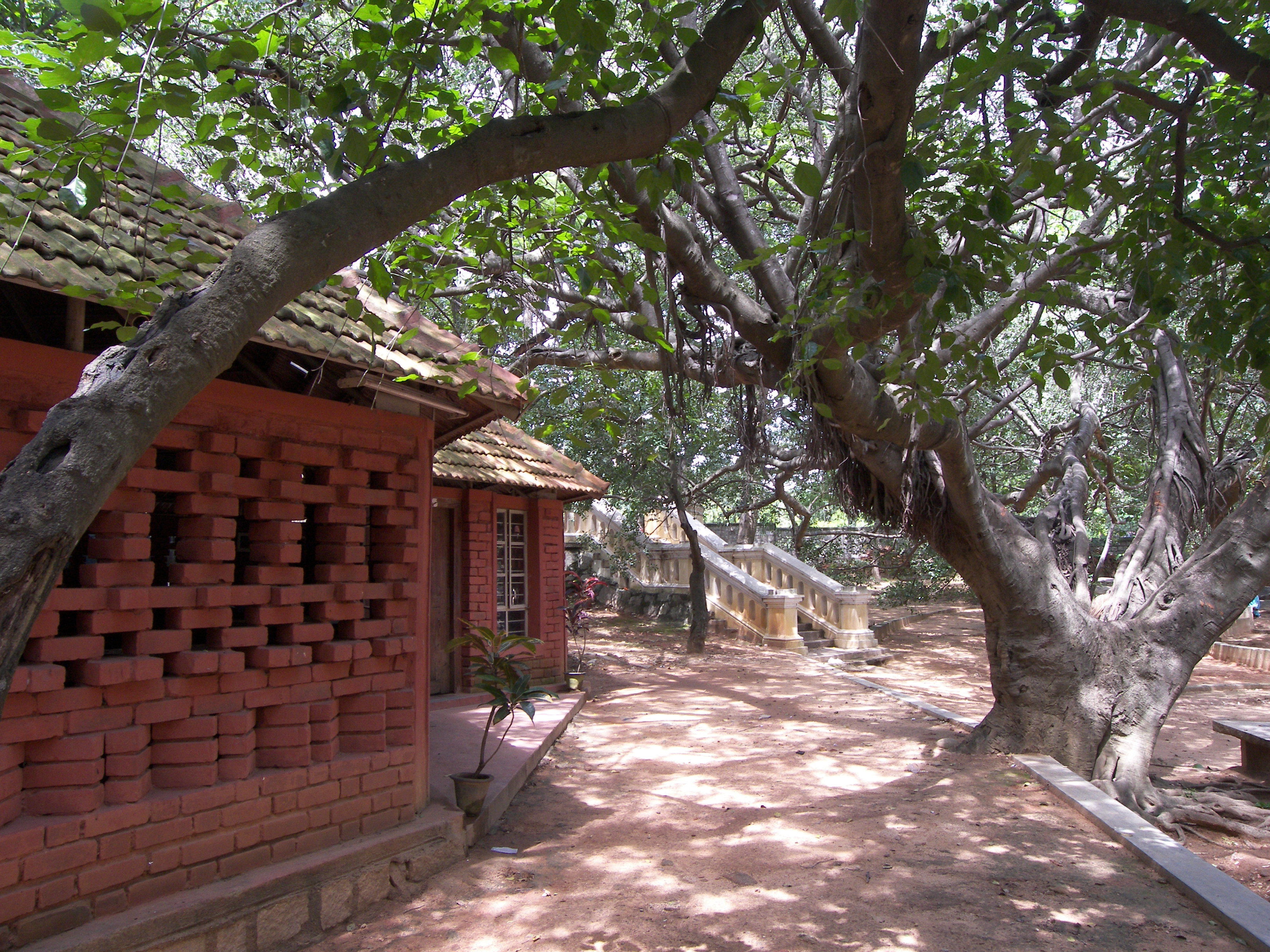
Photo source: Wikimedia Commons

Karnataka Chitrakala Parishath is a large cultural complex rather than a single museum. It houses permanent folk and tribal art collections alongside rotating exhibitions of modern and contemporary art. It also functions as an art school and event space.
The Parishath remains one of Bengaluru’s most active and accessible art institutions, frequented by artists, students, and the general public.
Why it’s in the Top 10: It sustains art as a living, evolving practice.
Peculiar detail: Museum, gallery, school, and festival space coexist in one institution.
9. Museum of Art & Photography (MAP)
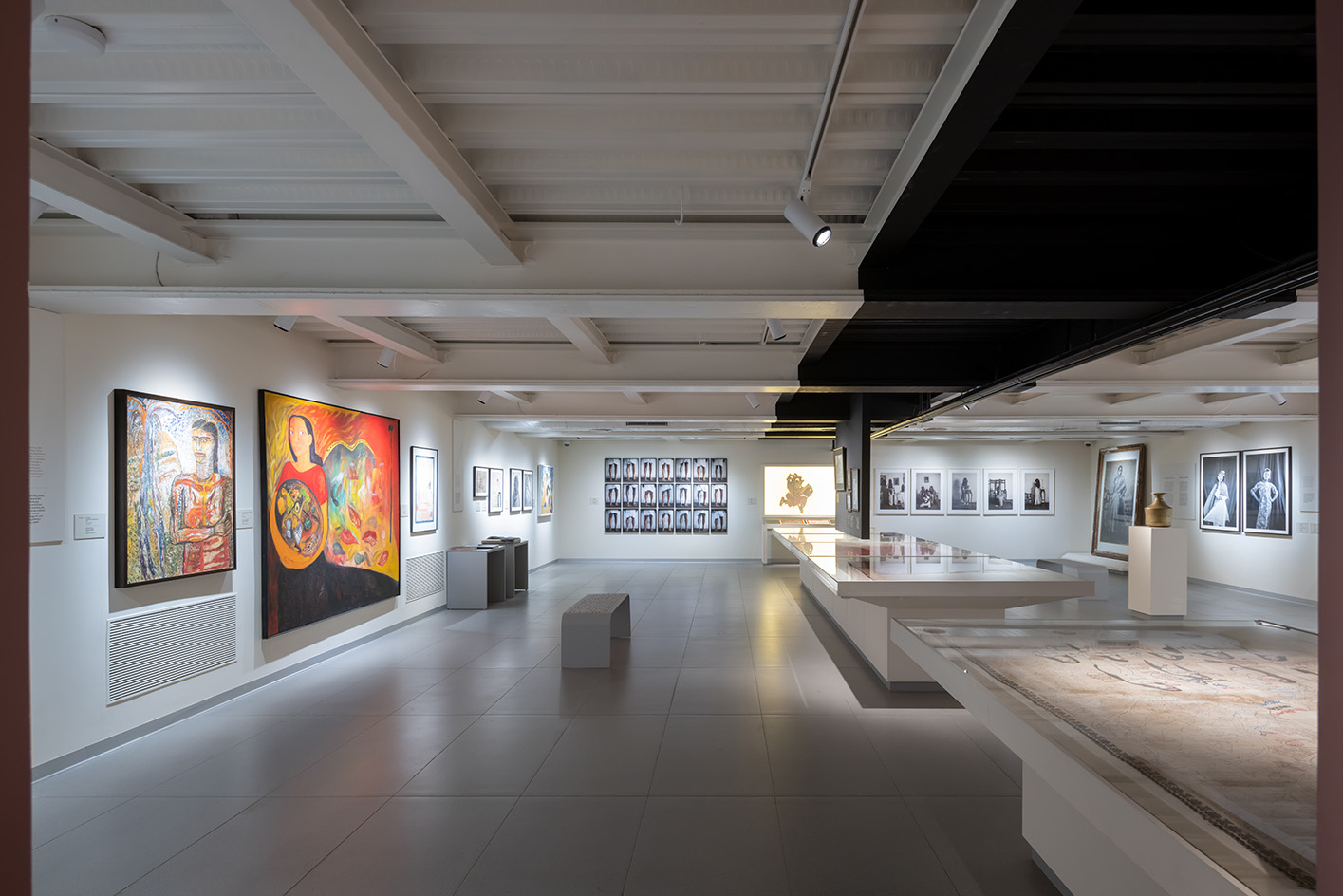
Photo source: Future / TechRadar
The Museum of Art & Photography focuses on South Asian art, photography, design, and visual culture. Its curatorial approach places fine art, popular imagery, and everyday visual objects in dialogue, supported by strong educational and digital resources.
MAP represents a new direction in Indian museum practice, emphasising accessibility, public engagement, and contemporary relevance.
Why it’s in the Top 10: It reflects the future of museum-making in India.
Peculiar detail: Popular and everyday imagery is treated on par with fine art.
10. Kempegowda Museum, Mayo Hall
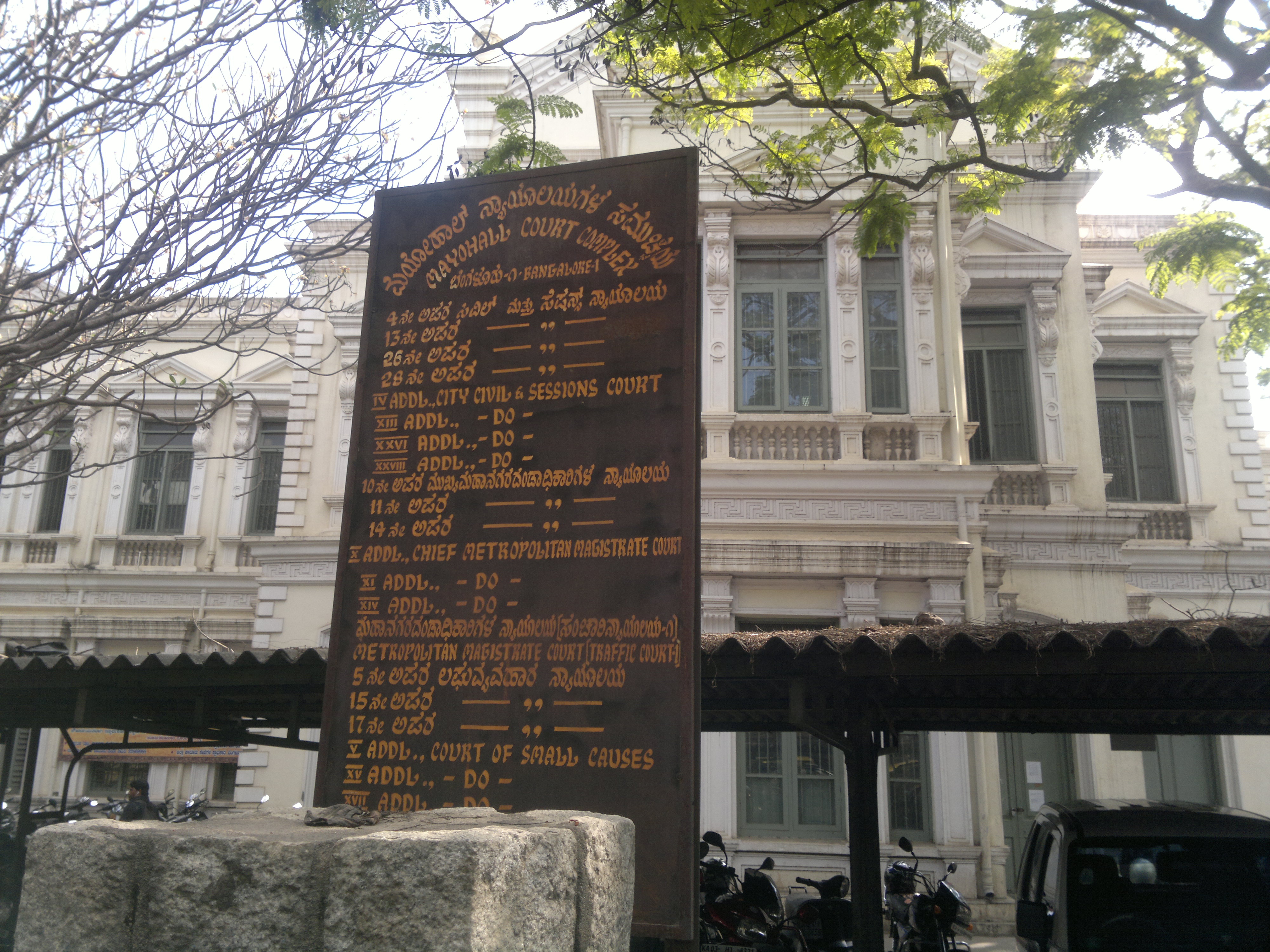
Photo source: Wikimedia Commons

The Kempegowda Museum focuses on the founder of Bengaluru and the city’s urban evolution. Using maps, photographs, and scale models, it traces how a fortified settlement transformed into a modern metropolis.
Compact and easy to navigate, it provides essential historical context for understanding the city today.
Why it’s in the Top 10: It grounds Bengaluru’s modern growth in its origins.
Peculiar detail: Urban planning and cartography drive the storytelling rather than artefacts.
Conclusion
Taken together, these ten museums reveal Bengaluru as a city where knowledge, creativity, and history intersect in meaningful ways. They show how the city has evolved—from a planned settlement under Kempegowda, to a colonial cantonment, to a centre of science, industry, and contemporary culture. Importantly, they also demonstrate that museums in Bengaluru are not uniform in purpose or design: some prioritise archival preservation, others emphasise public education, while a few actively experiment with how culture can be experienced.
What makes this group compelling is its range. A visitor can move from experimenting with scientific laws at the Visvesvaraya Museum to listening to sound-based exhibits at the Indian Music Experience Museum, or from studying ancient inscriptions at the Government Museum to engaging with contemporary visual culture at MAP. Together, these institutions form a cultural ecosystem rather than isolated attractions.
Whether explored over a weekend or encountered gradually over time, these museums offer a deeper way to understand Bengaluru beyond its surface image—revealing a city shaped as much by ideas, art, and inquiry as by technology and growth.