
Bengaluru is often narrated through technology parks, traffic bottlenecks, and real-estate cycles. Yet some of its most enduring and emotionally legible spaces are far older, quieter, and remarkably resistant to the city’s pace of change. Churches, temples, and mosques built decades — and in some cases centuries — ago continue to function not only as places of worship, but as anchors of neighbourhood life, architectural memory, and urban rhythm.
This guide looks at Bengaluru’s old-world religious spaces not through belief systems or ritual practice, but through presence — how these structures occupy space, how they relate to their surroundings, and how they continue to shape everyday life even for those who do not enter them for prayer. These are not monuments frozen in time; they are living structures embedded in the city’s daily flow.
What unites the eight places in this guide is a shared sense of atmosphere: a pause in the city, a continuity of use, and a form of coexistence that feels increasingly rare.
This is not a checklist to complete. These are places to approach slowly, quietly, and with attention.
Bengaluru’s Old-World Religious Spaces That Still Shape the City
1. St. Mary’s Basilica (Shivajinagar)
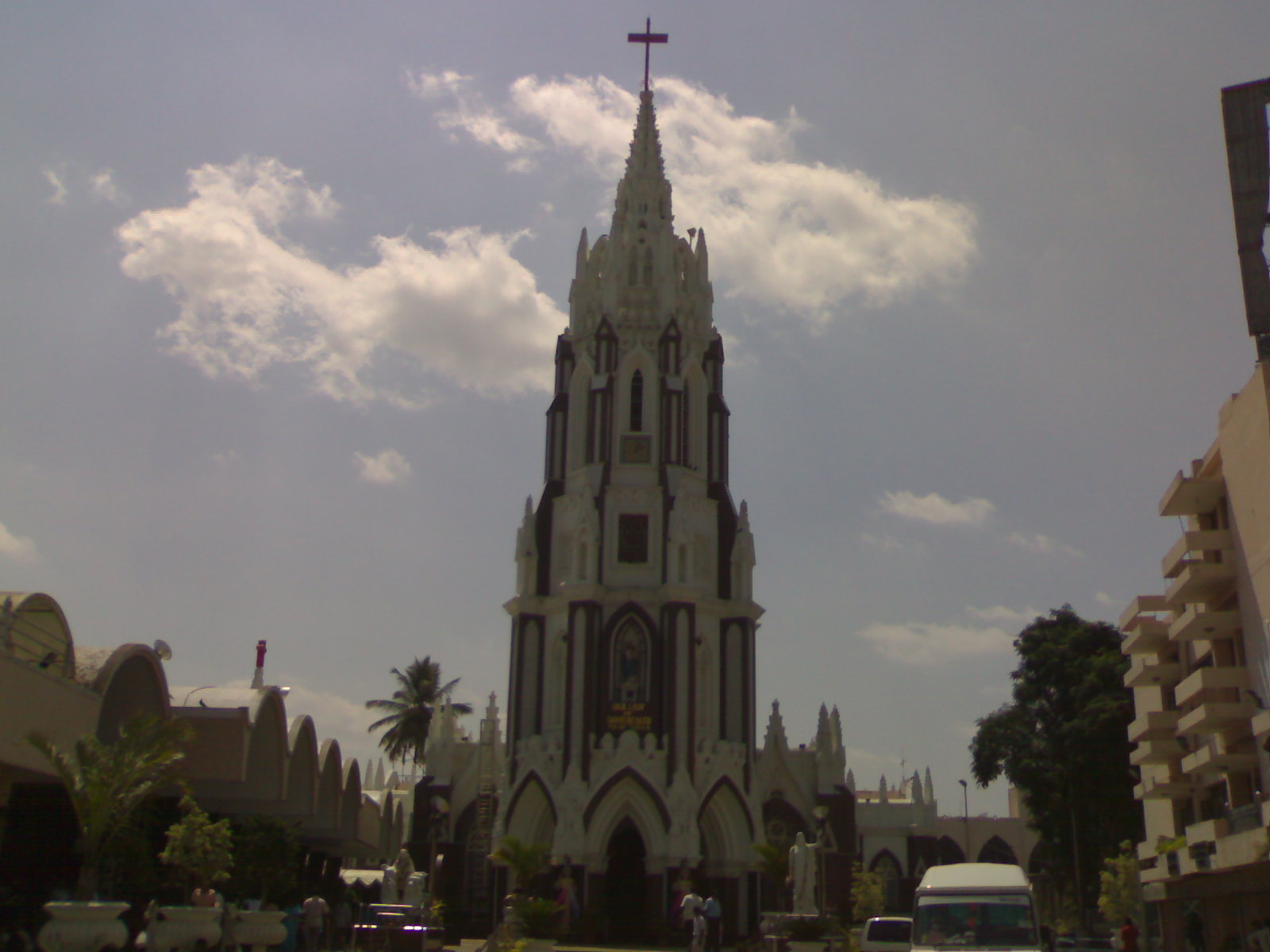
St. Mary's Basilica, Bengaluru — Photo source: Wikipedia
St. Mary’s Basilica is one of the oldest churches in Bengaluru and one of the few that feels inseparable from the neighbourhood around it. Built in the Gothic Revival style, the structure’s tall spires, pointed arches, and expansive nave create a sense of verticality that contrasts sharply with the dense, horizontal sprawl of Shivajinagar.
What makes the basilica especially significant is its civic role. During festivals, the surrounding streets transform into shared public space, blurring the line between religious event and neighbourhood gathering. On quieter days, the church still functions as a place of pause — a large, ordered interior that absorbs sound and movement from outside.
Why it endures: Architectural scale combined with everyday use
Best time to visit: Early morning or late afternoon
How it sits in the city: Embedded, not isolated
Atmosphere: Grand, contemplative, deeply urban
2. Dodda Basavana Gudi (Bull Temple), Basavanagudi
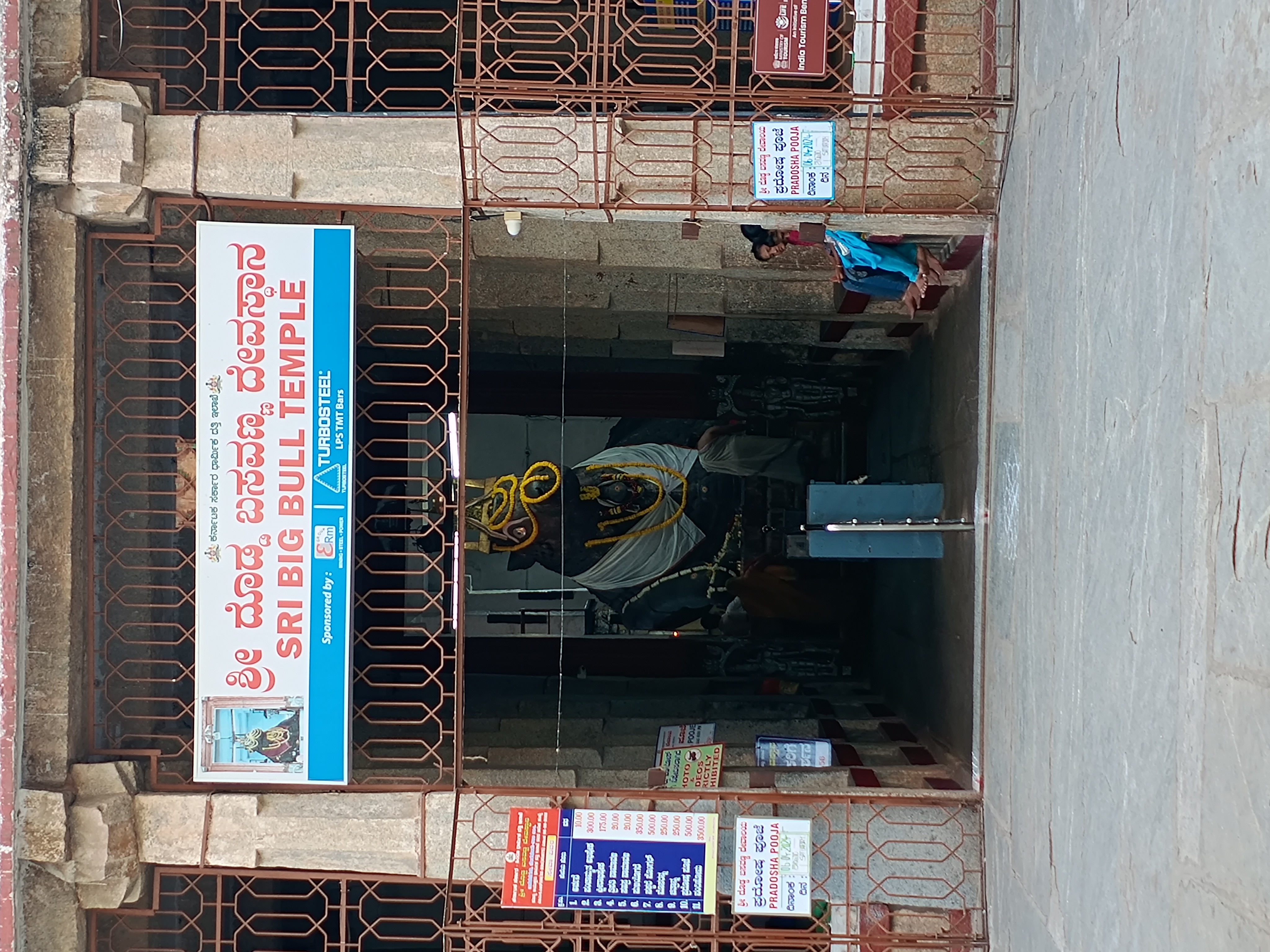
Dodda Basavana Gudi (Bull Temple), Basavanagudi — Photo source: Wikipedia
The Bull Temple is not a destination detached from its surroundings; it is a natural extension of Basavanagudi itself. Built around a massive monolithic Nandi statue, the temple’s layout feels open and grounded rather than imposing.
Tree-lined streets, nearby parks, and long-established residential lanes give the area a coherence that many parts of Bengaluru lack today. The temple does not dominate the neighbourhood — it belongs to it. Daily worship blends seamlessly with morning walks, errands, and conversation.
Why it endures: Integration with neighbourhood life
Best time to visit: Early mornings
How it sits in the city: As a local anchor
Atmosphere: Calm, rooted, continuous
3. Jamia Masjid, City Market
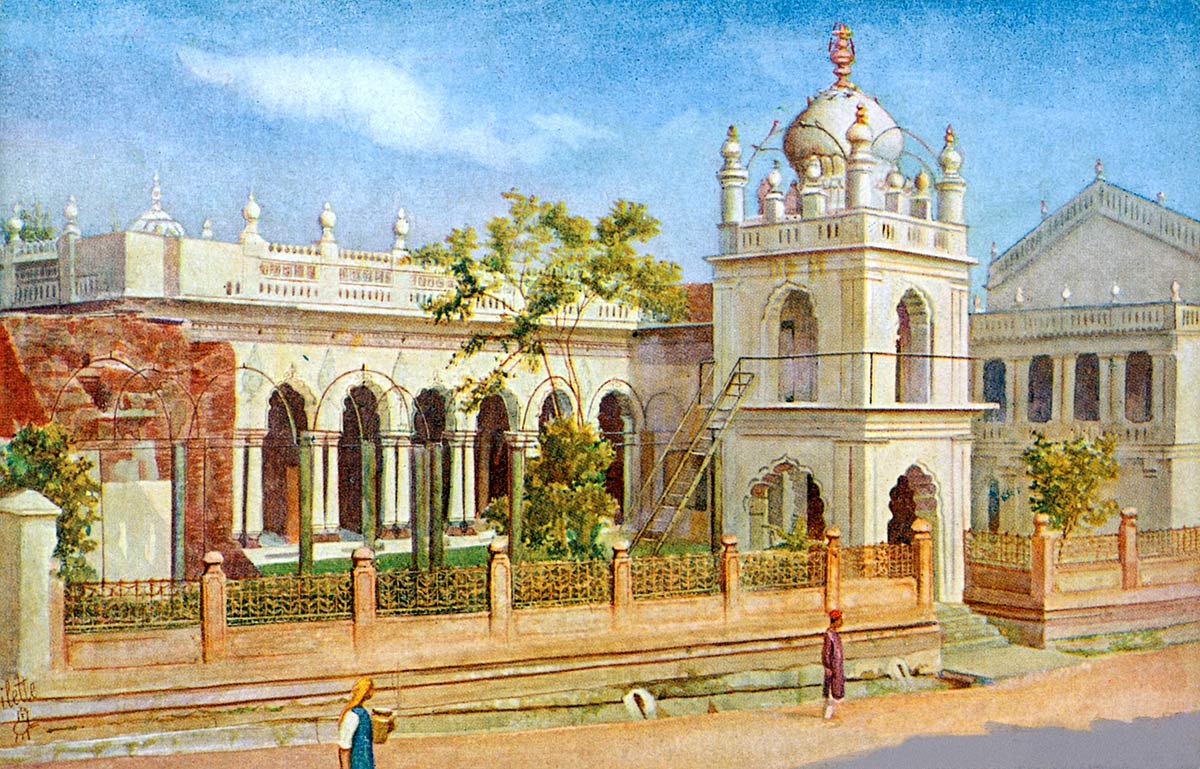
Jamia Masjid, City Market — Photo source: Wikipedia
Jamia Masjid sits at the heart of one of Bengaluru’s most intense commercial districts. Surrounded by wholesale markets, traffic, and constant negotiation, the mosque presents a striking inward-facing contrast.
Architecturally restrained, the structure prioritises function over monumentality. Its significance lies not in visual dominance but in coexistence — a religious space that operates quietly amid commerce, labour, and movement. The transition from street to interior is abrupt, and deliberately so.
Why it endures: Urban coexistence without spectacle
Best time to visit: Outside prayer hours
How it sits in the city: Absorbed into daily commerce
Atmosphere: Grounded, orderly, dignified
4. St. Mark’s Cathedral (MG Road)
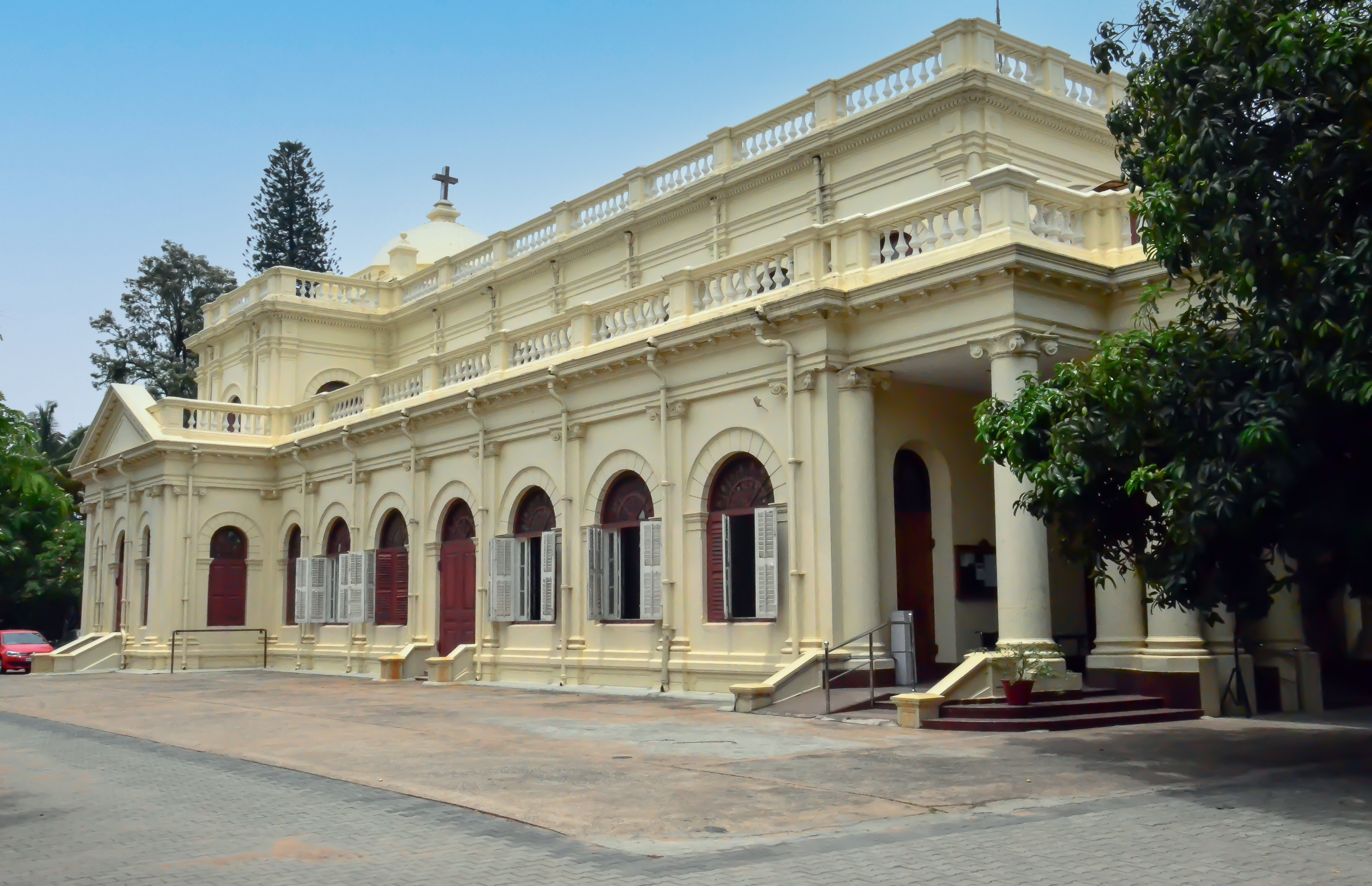
St. Mark's Cathedral, MG Road — Photo source: Wikipedia
St. Mark’s Cathedral occupies one of the city’s most unlikely locations — a colonial-era church embedded within a dense commercial zone. Its red façade and symmetrical plan resist the visual noise of glass offices and retail signage nearby.
The interior feels restrained and measured, offering a spatial rhythm that contrasts sharply with MG Road’s sensory overload. It functions as a reminder of an earlier urban order — one based on axial planning and proportion.
Why it endures: Architectural restraint amid commercial excess
Best time to visit: Weekday mornings
How it sits in the city: As a visual and spatial counterpoint
Atmosphere: Formal, reflective, composed
5. Kadu Malleshwara Temple, Malleshwaram
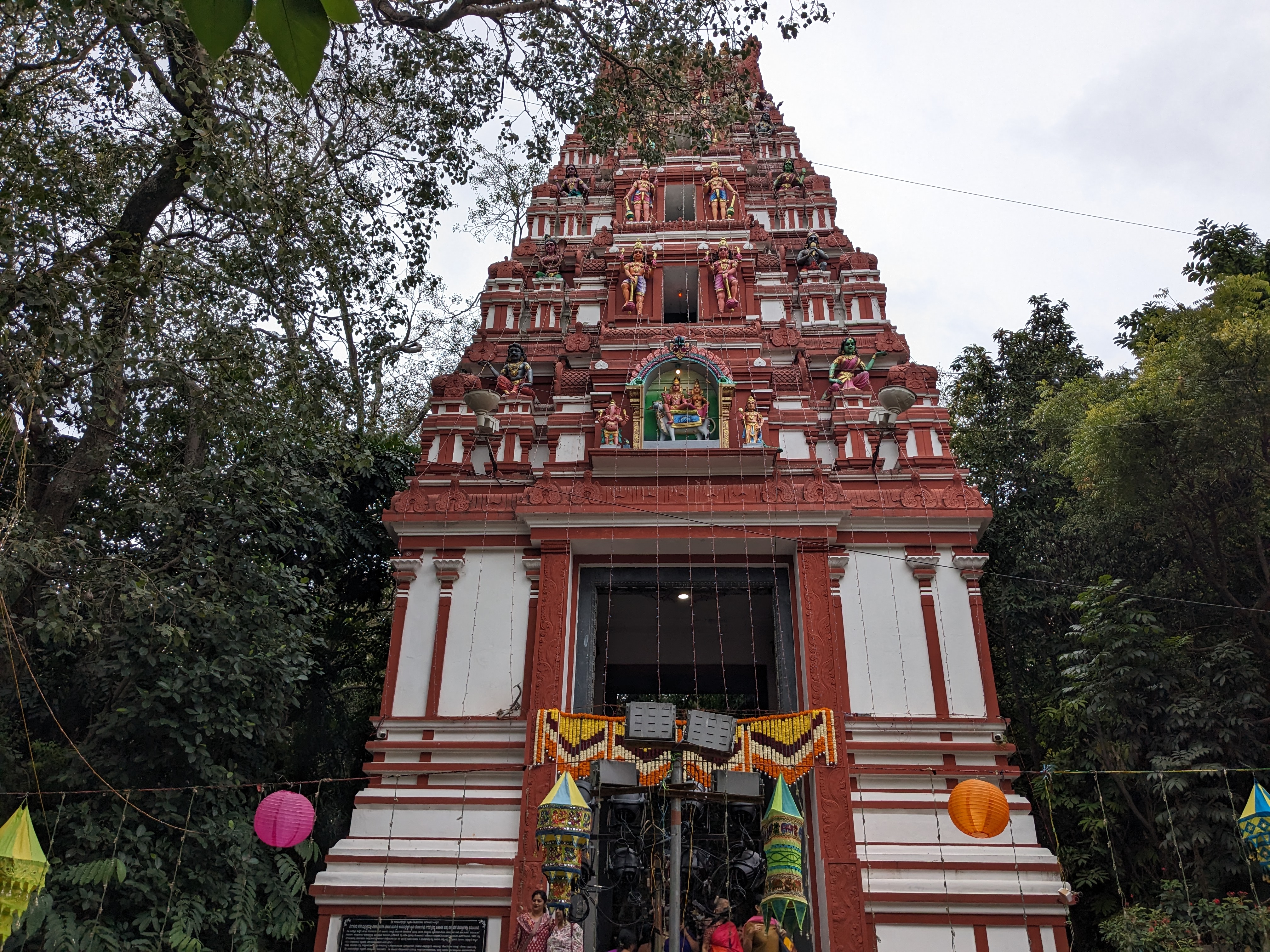
Kadu Malleshwara Temple, Malleshwaram — Photo source: Wikipedia
Predating much of modern Bengaluru, Kadu Malleshwara Temple remains deeply tied to Malleshwaram’s identity. Set on a slight rise, the temple commands presence without scale.
This is not a spectacle-driven space. Its authority comes from continuity — daily rituals, familiar faces, and a sense of permanence. It reflects a version of Bengaluru where growth did not necessarily require replacement.
Why it endures: Age, continuity, neighbourhood memory
Best time to visit: Early morning
How it sits in the city: As a cultural constant
Atmosphere: Intimate, traditional, unhurried
6. St. Patrick’s Church (Brigade Road)
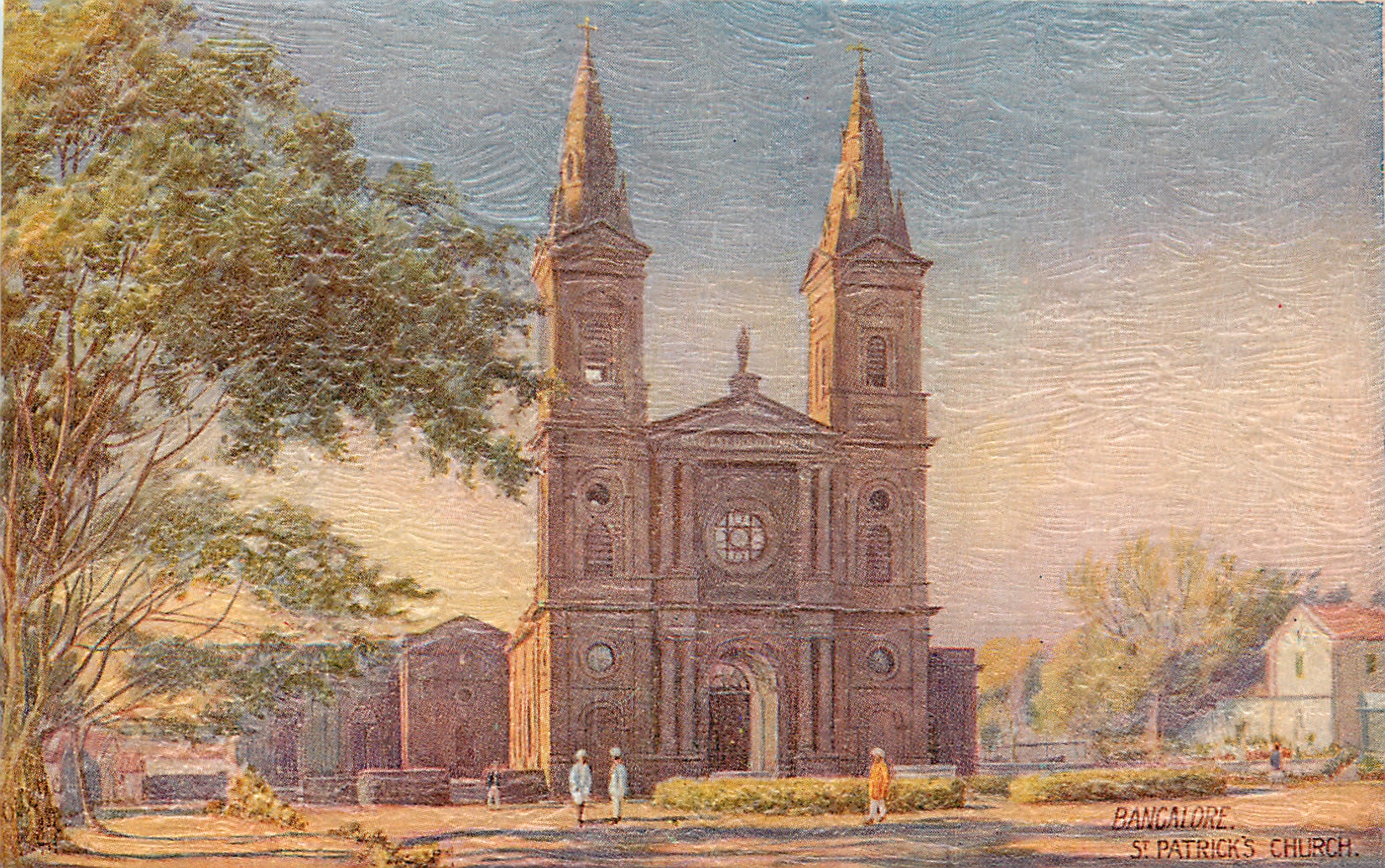
St. Patrick's Church, Brigade Road — Photo source: Wikipedia
Despite its central location, St. Patrick’s Church remains easy to miss. Set back slightly from Brigade Road, its white façade and minimal ornamentation create a sense of withdrawal rather than announcement.
The interior is quiet and modest, offering a form of urban retreat that feels intentional. It serves those who seek stillness rather than scale.
Why it endures: Subtlety in a commercial corridor
Best time to visit: Late mornings
How it sits in the city: Recessed and protective
Atmosphere: Minimal, calm, introspective
7. Gavi Gangadhareshwara Temple (Gavipuram)
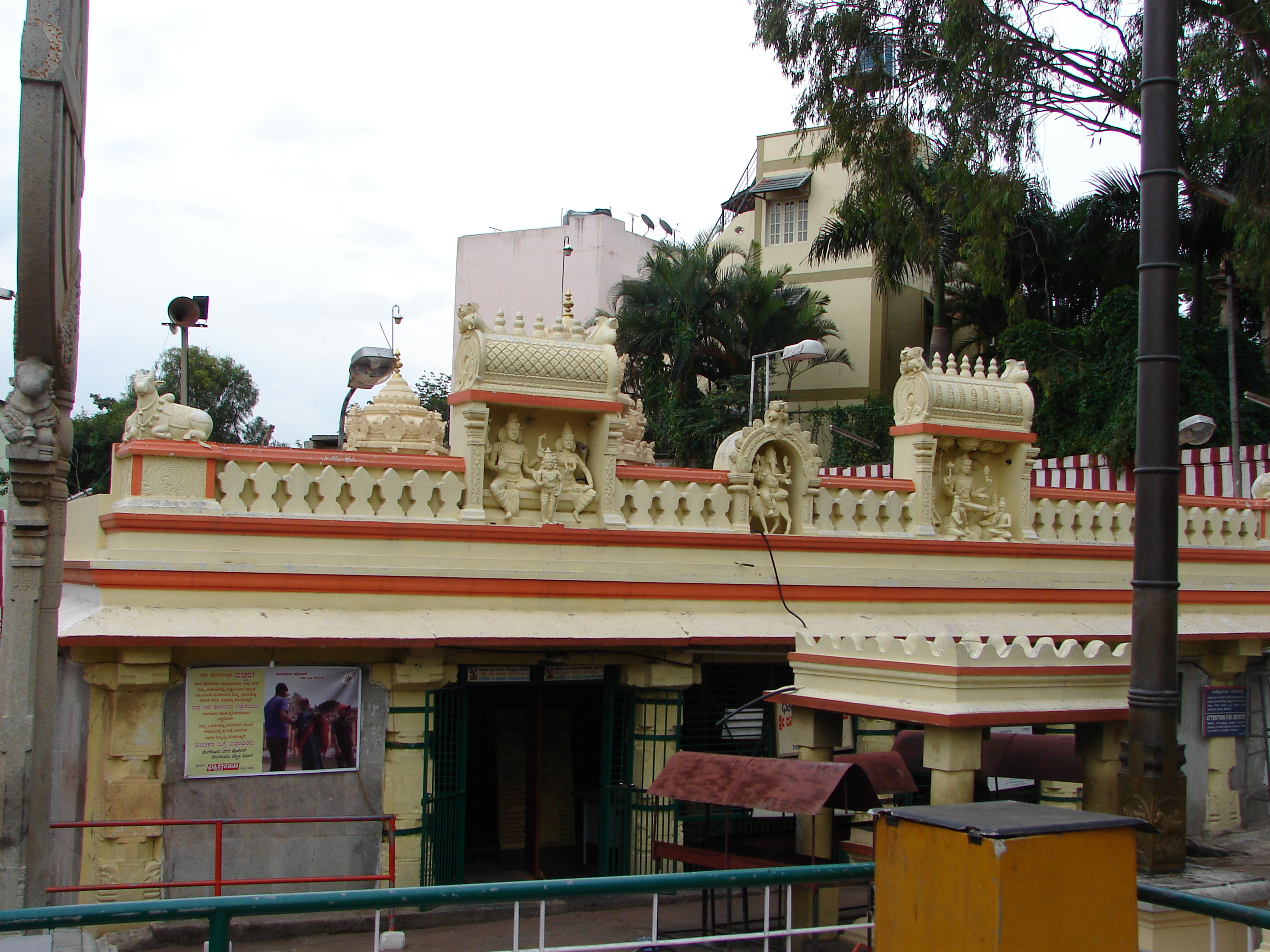
Gavi Gangadhareshwara Temple, Gavipuram — Photo source: Wikipedia
This cave temple is one of Bengaluru’s most architecturally and symbolically complex religious spaces. Known for its alignment with solar phenomena, the temple combines ritual practice with astronomical precision.
Descending into the cave-like interior feels like stepping outside urban time. Light, shadow, and enclosure work together to create an atmosphere that is both meditative and uncanny.
Why it endures: Architecture aligned with natural cycles
Best time to visit: Early morning or specific solar events
How it sits in the city: Slightly removed, inward-facing
Atmosphere: Enclosed, mystical, contemplative
8. Masjid-e-Khadria (Tipu Sultan’s Mosque), KR Market Area
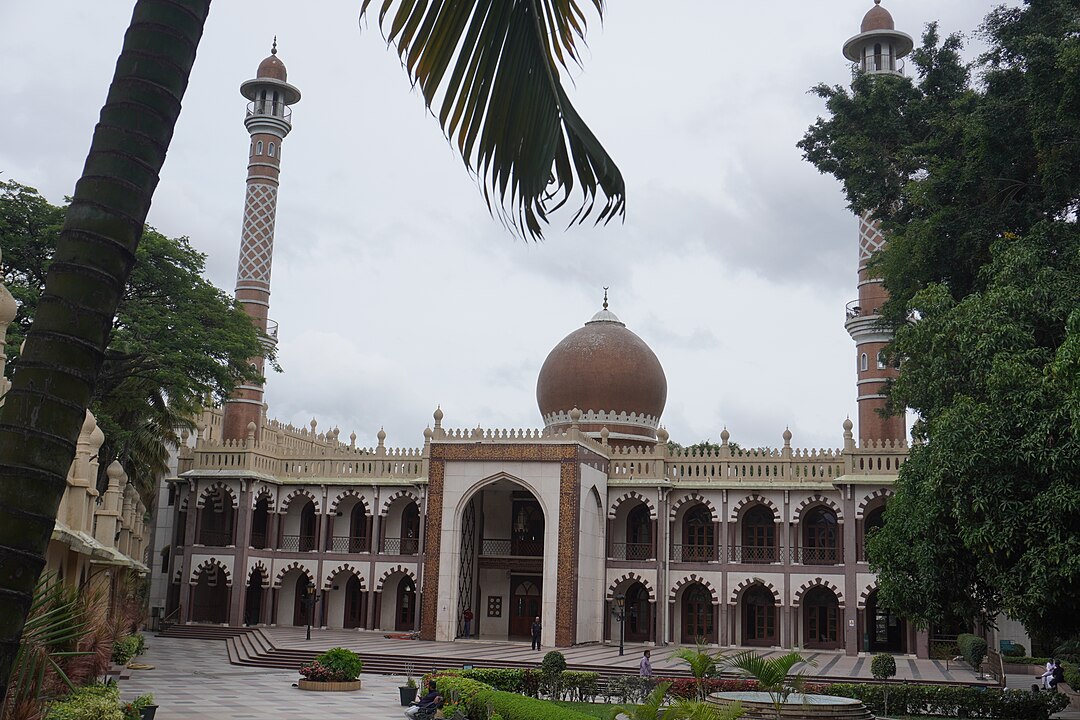
Masjid-e-Khadria (Tipu Sultan's Mosque), KR Market Area — Photo source: Wikipedia
Often overshadowed by nearby landmarks, Masjid-e-Khadria reflects an older layer of Bengaluru’s political and religious history. Associated with Tipu Sultan’s era, the mosque carries historical weight without visual dominance.
Its presence is understated, embedded within the urban fabric rather than separated from it. It reminds visitors that history often survives quietly.
Why it endures: Layered historical memory
Best time to visit: Late morning
How it sits in the city: Integrated, understated
Atmosphere: Reserved, historical, grounded
Conclusion
Bengaluru’s old-world religious spaces endure not because they resist change, but because they absorb it without losing identity. They show how architecture, belief, and daily life once coexisted without spectacle or excess.
In a city defined by speed and reinvention, these spaces offer something increasingly rare: continuity. Even for those who do not enter them for worship, they continue to shape neighbourhoods, rhythms, and the emotional geography of Bengaluru.